
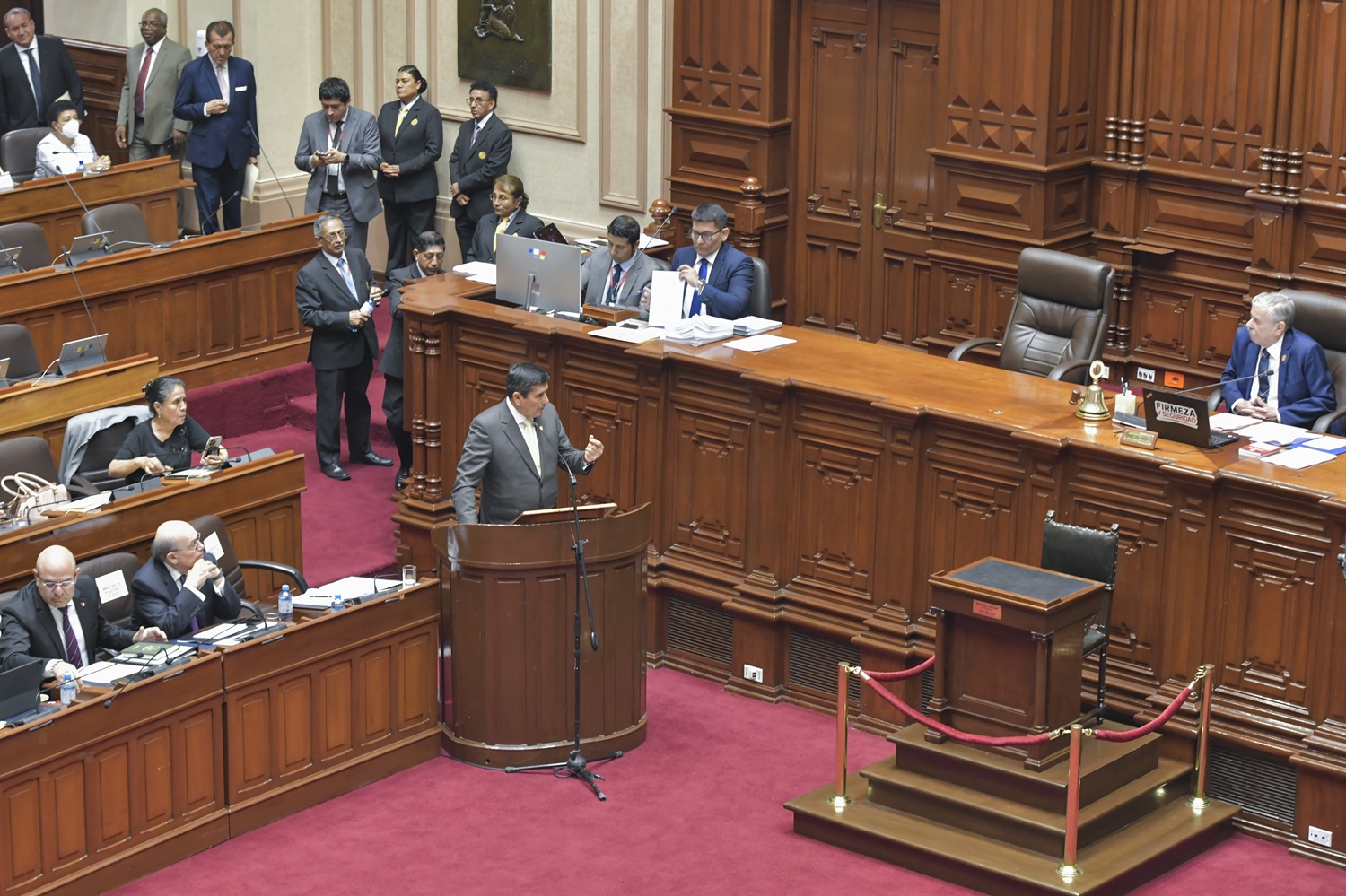
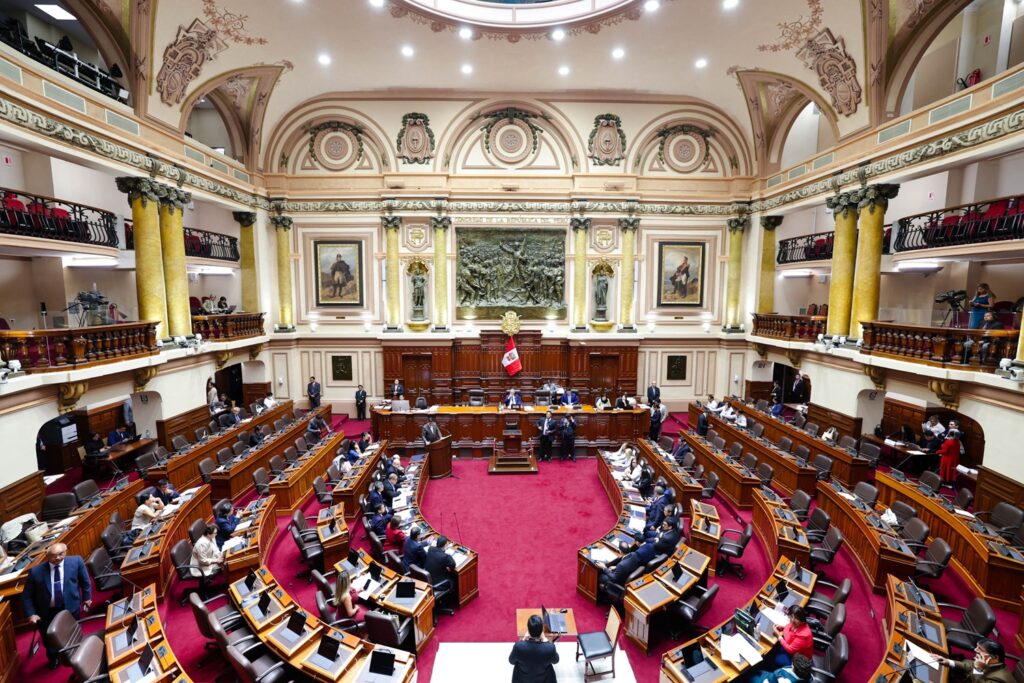
Agencia Peruana de Noticias PRENSAPERU.PE https://www.prensaperu.pe Twitter: @prensaperupe El hemiciclo del Congreso de la República se convirtió, durante más de cuatro horas de intenso debate, en el epicentro de una jornada decisiva para el futuro político de Perú. Con una votación contundente de 71 votos a favor, 15 en contra y 17 abstenciones, el gabinete ministerial liderado por el flamante presidente del Consejo de Ministros, Luis Arroyo Sánchez, obtuvo el vital voto de confianza. Este respaldo parlamentario no es solo un trámite legal; es la validación política necesaria para que el nuevo equipo ejecutivo despliegue su agenda y enfrente los urgentes desafíos que la nación demanda.
El presidente (e) del Congreso, Fernando Rospigliosi Capurro, fue el encargado de anunciar el veredicto, confirmando la aprobación de la cuestión de confianza y, con ello, la capacidad del gabinete Arroyo para gobernar. Este paso es fundamental en el engranaje democrático peruano, pues, de acuerdo con el Artículo 82 del Reglamento del Congreso, el resultado debe ser comunicado de inmediato al Presidente de la República, formalizando así el inicio de una nueva etapa de gestión.
Pero la sesión no fue solo una pasarela de cifras. Fue un vibrante foro donde diversas bancadas fijaron su posición y, más importante aún, plantearon exigencias concretas al recién investido equipo ministerial. Este intercambio es un pilar de la fiscalización democrática, donde el Poder Legislativo ejerce su rol de contrapeso, asegurando que el Ejecutivo rinda cuentas y trabaje en sintonía con las necesidades ciudadanas.
Un punto neurálgico fue el llamado a la institucionalidad y a un proceso de transferencia de gestión ejemplar. El tercer vicepresidente del Congreso, Ilich López (bancada Acción Popular), enfatizó la imperiosa necesidad de “fortalecer la institucionalidad en el país” y de garantizar una “transferencia ordenada” hacia las nuevas autoridades. Un ejemplo claro de esta preocupación fue su insistencia en asegurar una “pensión digna para los maestros”, un tema que resuena profundamente en el sector educativo y en la sociedad en general. Este concepto de “institucionalidad” no solo se refiere a las reglas formales, sino a la fortaleza de las estructuras y prácticas que garantizan la estabilidad y el buen funcionamiento del Estado, crucial para la confianza ciudadana y la inversión.
Por su parte, la parlamentaria Diana Gonzales (bancada Avanza País) puso el foco en uno de los flagelos más apremiantes: la inseguridad ciudadana. Su advertencia fue clara y directa: “Es iluso pensar que vamos a terminar o ganar la lucha contra la inseguridad ciudadana si no somos capaces de cortar definitivamente su brazo financiero”. Subrayó la urgencia de una “lucha firme y coherente en contra de la minería ilegal”. Aquí, la parlamentaria define la inseguridad no solo como un problema de calles, sino como una red compleja alimentada por economías ilícitas. La minería ilegal, por ejemplo, no solo degrada el medio ambiente, sino que financia redes criminales, trafico de personas y armas, convirtiéndose en un verdadero cáncer para la seguridad nacional y la economía formal. La lucha contra ella es, por tanto, un componente esencial de cualquier estrategia de seguridad efectiva.
La obtención del voto de confianza por parte del gabinete Arroyo es el punto de partida para una gestión que deberá navegar entre las expectativas ciudadanas y las demandas parlamentarias. Los desafíos son enormes, desde la consolidación institucional hasta la lucha frontal contra la delincuencia y las economías ilegales, pero el respaldo obtenido en el Congreso es la señal de que, al menos por ahora, existe una ventana de oportunidad para avanzar.
DATOS
1.- Respaldo Fundamental para la Gobernabilidad: El voto de confianza otorgado al gabinete Arroyo Sánchez es un hito crucial que legitima su gestión ante el parlamento y la ciudadanía, brindándole la estabilidad política necesaria para implementar su política general y enfrentar los desafíos urgentes del país.
2.- Fiscalización Activa y Agenda Prioritaria: La sesión plenaria no solo fue un acto formal, sino un espacio donde el Congreso ejerció su rol de fiscalización, evidenciando que la agenda del nuevo gabinete deberá priorizar el fortalecimiento institucional, una transferencia de gestión transparente y una lucha contundente contra las fuentes de financiamiento de la inseguridad ciudadana, como la minería ilegal.
3.- Inicio de una Etapa con Altas Expectativas: Este voto de confianza marca el inicio de una etapa donde el gabinete Arroyo deberá transformar las exigencias y debates parlamentarios en acciones concretas que impacten positivamente en la calidad de vida de los peruanos, demostrando capacidad de gestión y articulación con el Poder Legislativo.
Fuente: Agencia Peruana de Noticias PRENSAPERU.PE https://www.prensaperu.pe Twitter: @prensaperupe
Translate
Congress launches the Arroyo Cabinet: “Green light to the Government, vote of confidence from parliament paves the way for decisive management in Peru.”
Peruvian News Agency PRENSAPERU.PE https://www.prensaperu.pe Twitter: @prensaperupe The hemicicle of the Congress of the Republic became, during more than four hours of intense debate, the epicenter of a decisive day for the political future of Peru. With a resounding vote of 71 votes in favor, 15 against, and 17 abstentions, the ministerial cabinet led by the brand new President of the Council of Ministers, Luis Arroyo Sánchez, obtained the vital vote of confidence. This parliamentary endorsement is not just a legal formality; it is the political validation necessary for the new executive team to deploy its agenda and face the urgent challenges that the nation demands.
The acting president of Congress, Fernando Rospigliosi Capurro, was in charge of announcing the verdict, confirming the approval of the vote of confidence and, with it, the Arroyo cabinet’s capacity to govern. This step is fundamental in the Peruvian democratic machinery, as, according to Article 82 of the Congress Regulations, the result must be immediately communicated to the President of the Republic, thus formalizing the beginning of a new management stage.
But the session was not just a parade of figures. It was a vibrant forum where various caucuses established their positions and, more importantly, raised concrete demands to the newly invested ministerial team. This exchange is a pillar of democratic oversight, where the Legislative Power exercises its role as a counterweight, ensuring that the Executive is accountable and works in tune with citizen needs.
A neuralgic point was the call for institutionality and an exemplary management transfer process. The third vice president of Congress, Ilich López (Acción Popular caucus), emphasized the imperative need to “strengthen institutionality in the country” and to guarantee an “ordered transfer” to the new authorities. A clear example of this concern was his insistence on ensuring a “dignified pension for teachers,” an issue that resonates deeply in the educational sector and in society in general. This concept of “institutionality” refers not only to formal rules but to the strength of structures and practices that guarantee the stability and proper functioning of the State, crucial for citizen confidence and investment.
For her part, parliamentarian Diana Gonzales (Avanza País caucus) focused on one of the most pressing scourges: citizen insecurity. Her warning was clear and direct: “It is naive to think that we will end or win the fight against citizen insecurity if we are not able to definitively cut off its financial arm.” She stressed the urgency of a “firm and coherent fight against illegal mining.” Here, the parliamentarian defines insecurity not only as a street problem but as a complex network fueled by illicit economies. Illegal mining, for example, not only degrades the environment but also finances criminal networks, human and arms trafficking, becoming a true cancer for national security and the formal economy. The fight against it is, therefore, an essential component of any effective security strategy.
Obtaining the vote of confidence by the Arroyo cabinet is the starting point for a management that will have to navigate between citizen expectations and parliamentary demands. The challenges are enormous, from institutional consolidation to the frontal fight against crime and illegal economies, but the support obtained in Congress is a sign that, at least for now, there is a window of opportunity to advance.
DATA
1.- Fundamental Support for Governability: The vote of confidence granted to the Arroyo Sánchez cabinet is a crucial milestone that legitimizes its management before parliament and citizens, providing it with the necessary political stability to implement its general policy and face the urgent challenges of the country.
2.- Active Oversight and Priority Agenda: The plenary session was not only a formal act but a space where Congress exercised its oversight role, evidencing that the new cabinet’s agenda should prioritize institutional strengthening, transparent management transfer, and a forceful fight against the funding sources of citizen insecurity, such as illegal mining.
3.- Start of a Stage with High Expectations: This vote of confidence marks the beginning of a stage where the Arroyo cabinet must transform parliamentary demands and debates into concrete actions that positively impact the quality of life of Peruvians, demonstrating management capacity and articulation with the Legislative Power.
Source: Peruvian News Agency PRENSAPERU.PE https://www.prensaperu.pe Twitter: @prensaperupe