
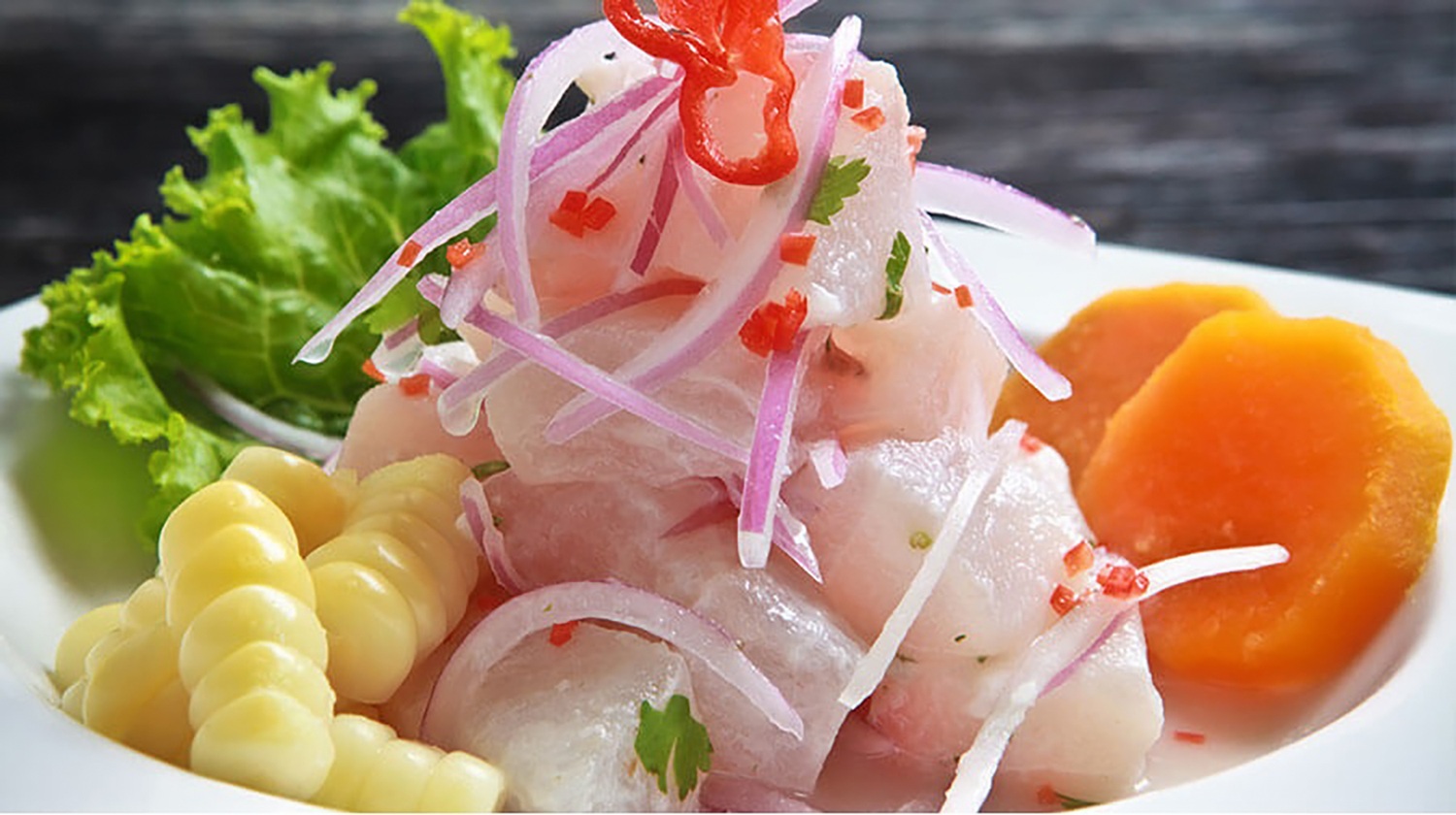
Agencia Peruana de Noticias PRENSAPERU.PE https://www.prensaperu.pe Twitter: @prensaperupe Cada 28 de junio se celebra por todo lo alto el ‘Día Nacional del Ceviche’, uno de los platos más representativos y queridos del Perú. Queda claro que fue una jornada de fiesta, tradición y también de reflexión sobre su calidad y seguridad.
En esta celebración, el Instituto Nacional de Calidad — INACAL, adscrito al Ministerio de la Producción, destacó y promovió el uso de las Normas Técnicas Peruanas (NTP). Estas reglas aseguran que los ingredientes cumplan requisitos claros de calidad, inocuidad y trazabilidad, ayudando a aplicar buenas prácticas en toda la cadena productiva y dando mayor confianza tanto a productores como a restaurantes y consumidores.
El ceviche es mucho más que comida: es símbolo máximo de identidad gastronómica peruana, reconocido oficialmente por la UNESCO como Patrimonio Cultural Inmaterial de la Humanidad. Reúne riquezas del mar y del campo, fruto del trabajo organizado de pescadores artesanales, agricultores, comerciantes y cocineros. Toda esta actividad genera empleo digno y desarrollo económico en muchas regiones costeras y del interior del país.
Contar con estándares definidos permite ofrecer alimentos seguros y auténticos. Para cevicherías y emprendimientos, es también una forma de diferenciarse y ganar confianza entre los clientes.
CALIDAD ASEGURADA INGREDIENTE POR INGREDIENTE
Pescado fresco: la base principal.
Según la NTP 041.001:2019 (revisada 2025), para ser considerado de categoría muy bueno:
Olor natural y característico; Piel brillante y húmeda; ojos claros, córnea transparente; branquias rojo vivo; carne firme y elástica; conservación obligatoria cerca de los 0 °C; manipulación higiénica estricta.
Recomendación: comprar solo en lugares autorizados, verificar frío adecuado y nunca pescado expuesto al calor o sol.
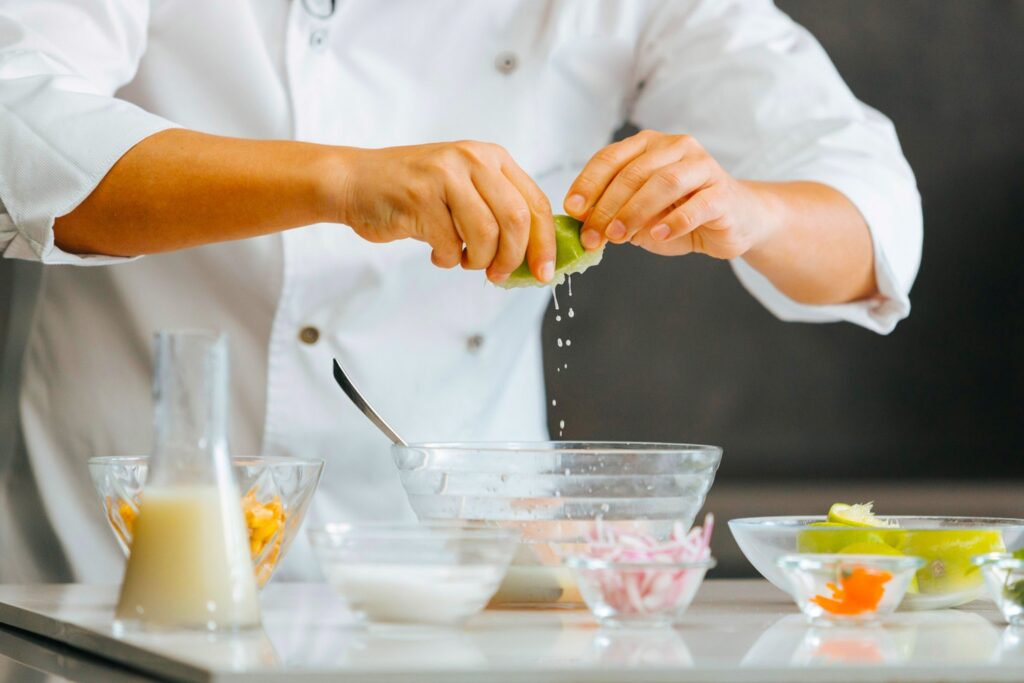
Limón sutil: alma del sabor.
Regulado en NTP 011.006:2005:
Frutos enteros, sanos y bien formados; contener al menos el 40 % de jugo respecto a su peso; sin golpes ni pudrición.
Camote: acompañamiento tradicional.
Según NTP 011.120:2024:
Firme, limpio y entero; libre de hongos, insectos ni daños; etiquetado que permita trazabilidad; empaque adecuado para protegerlo.
Maíz cancha: complemento indispensable.
Regulado por NTP 205.083:2019:
Sin materias extrañas ni granos estropeados; mantener olor y sabor naturales; empaques seguros y aptos para alimentos.
DATOS CONTEXTUALES
Norma Técnica Peruana – NTP: Regla oficial que define requisitos de calidad, higiene y características que deben cumplir los alimentos, procesos o servicios. Garantiza seguridad y uniformidad.
Inocuidad: Característica de los alimentos que no causan daño ni enfermedad al consumirlos.
Trazabilidad: Capacidad de seguir el recorrido completo de cada producto: desde su origen, elaboración, transporte hasta llegar al plato.
Patrimonio Cultural Inmaterial: Reconocimiento de la UNESCO porque representa tradición, identidad y saberes transmitidos de generación en generación.
Cadena alimentaria: Conjunto de personas y actividades: pescadores, agricultores, transportistas, comerciantes y cocineros que hacen posible llegar al plato final.
CONCLUSIONES
1.- La celebración del 28 de junio puso de relieve que el ceviche es riqueza cultural, pero también producto que requiere normas técnicas claras para ser seguro, auténtico y saludable.
2.- La calidad empieza en el origen: cada insumo —pescado, limón, camote, maíz— cuenta con reglas oficiales que protegen tanto al consumidor como a toda la cadena productiva.
3.- INACAL y las normas refuerzan la competitividad de la gastronomía peruana, cuidan su autenticidad y protegen el valor del patrimonio reconocido mundialmente.
Fuente: Agencia Peruana de Noticias PRENSAPERU.PE https://www.prensaperu.pe Twitter: @prensaperupe
Translate
On “Ceviche Day,” what makes a ceviche safe and authentic? Inacal presents the quality standards for the safe and authentic preparation of our flagship dish, which we honor every June 28th.
Peruvian News Agency PRENSAPERU.PE https://www.prensaperu.pe Twitter: @prensaperupe Every 28 June, the National Ceviche Day is widely celebrated as one of the most representative and beloved dishes of Peru. It was clearly a day of festivity, tradition and also reflection regarding its quality and safety.
During this celebration, the National Institute of Quality — INACAL, attached to the Ministry of Production, highlighted and promoted the application of Peruvian Technical Standards NTP. These regulations ensure that ingredients meet clear requirements for quality, safety and traceability, supporting good practices throughout the production chain and building greater confidence for producers, restaurants and consumers alike.
Ceviche is far more than food: it stands as the supreme symbol of Peruvian culinary identity, officially recognised by UNESCO as Intangible Cultural Heritage of Humanity. It brings together wealth from both sea and land, resulting from the organised work of artisanal fishers, farmers, traders and cooks. This activity creates decent employment and economic development in many coastal and inland regions of the country.
Defined standards help deliver safe and authentic food. For ceviche restaurants and small businesses, they also serve as a way to stand out and earn customer trust.
GUARANTEED QUALITY IN EVERY INGREDIENT
Fresh fish: the essential base
According to NTP 041.001:2019 revised 2025, to be classified in the very good quality category:
Natural and characteristic odour; bright and moist skin; clear eyes with transparent cornea; bright red gills; firm and elastic flesh; must be kept close to 0 °C; handled under strict hygiene conditions.
Recommendation: purchase only at authorised outlets, verify proper refrigeration and never buy fish exposed to heat or direct sunlight.
Sutil lemon: the essence of flavour
Regulated under NTP 011.006:2005:
Whole, sound and well‑formed fruit; juice content no less than 40 % of total weight; free from bruises or decay.
Sweet potato: traditional accompaniment
According to NTP 011.120:2024:
Firm, clean and intact; free from mould, insects or damage; labelled to ensure traceability; suitably packed for protection.
Roasted corn kernel: essential complement
Regulated by NTP 205.083:2019:
Free from foreign matter or spoiled grains; retains natural odour and flavour; packaged in safe and food‑grade materials.
CONTEXTUAL INFORMATION
Peruvian Technical Standard (NTP): An official rule defining the quality and hygiene requirements, as well as the characteristics, that food products, processes, or services must meet. It ensures safety and consistency.
Food Safety: The quality of food ensuring it causes no harm or illness when consumed.
Traceability: The ability to track a product’s entire journey—from its origin, processing, and transport, all the way to the plate.
Intangible Cultural Heritage: A UNESCO designation recognizing traditions, identity, and knowledge passed down from generation to generation.
Food Supply Chain: The network of people and activities—including fishermen, farmers, transporters, merchants, and cooks—that makes it possible for food to reach the final plate.
CONCLUSIONS
The June 28th celebration highlighted that ceviche is not only a source of cultural richness but also a product requiring clear technical standards to ensure it is safe, authentic, and healthy.
2.- Quality begins at the source: every ingredient—fish, lime, sweet potato, corn—is subject to official regulations that protect both the consumer and the entire production chain.
3.- INACAL and these standards boost the competitiveness of Peruvian gastronomy, safeguard its authenticity, and protect the value of this globally recognized heritage.
Source: Peruvian News Agency PRENSAPERU.PE https://www.prensaperu.pe Twitter: @prensaperupe