
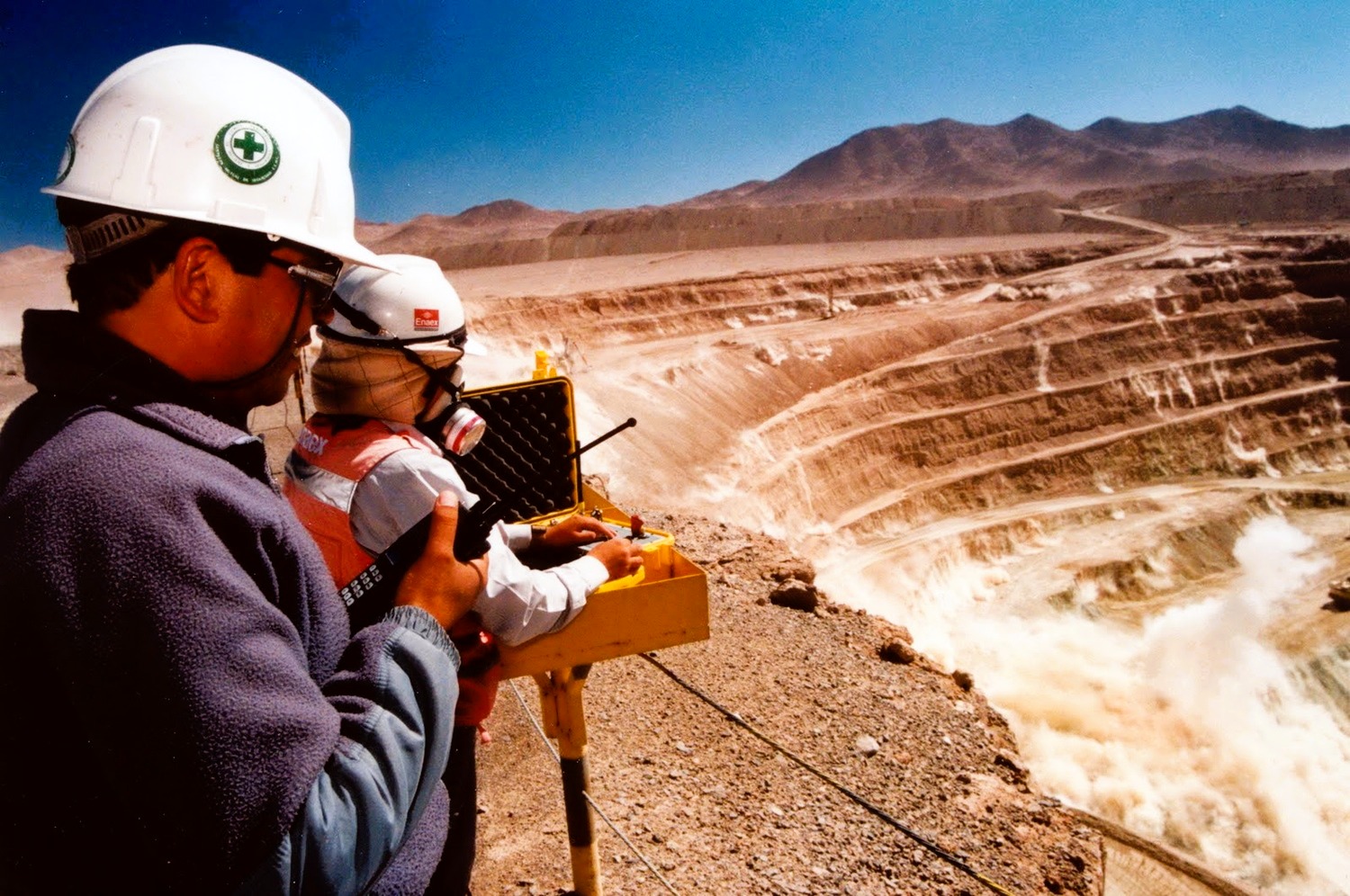
Agencia Peruana de Noticias PRENSAPERU.PE https://www.prensaperu.pe Twitter: @prensaperupe Según el reporte del Centro de Investigación de Economía y Negocios Globales — CIEN‑ADEX, con información de la SUNAT, en el primer cuatrimestre de 2026 exportaron 6 326 empresas peruanas. Representa un aumento del 4 % respecto al mismo periodo de 2025, cuando fueron 6 085.
Entre ellas destacan 250 empresas que mantienen envíos ininterrumpidos desde el año 2000, lo que demuestra solidez y permanencia en los mercados. Por tamaño, este grupo estable se compone así:
Empresas Grandes: 110
Empresas Pequeñas: 85
Microempresas: 44
Empresas Medianas: 11
ESTRUCTURA POR TAMAÑO
En todo el conjunto de empresas:
Microempresas: 3 788 → 59,9 %
Pequeñas: 2 116 → 33,4 %
Grandes: 302 → 4,8 %
Medianas: 120 → 1,9 %
Distribución por destinos:
1.- Solo un mercado: 3 762 empresas (59,5 %)
2.- Diez o más mercados: solo 274 empresas (4,3 %)
3.- Perfil básico: 2 654 empresas envían un solo producto a un solo destino:
Micro: 63,7 %
Pequeña: 23,3 %
Grande: 6,6 %
Mediana: 6,4 %
Distribución por valor FOB: aquí cambia totalmente la imagen:
1.- Grandes: 90,2 % → 32 395 millones de dólares
2.- Pequeñas: 6,2 % → 2 240 millones
3.- Medianas: 3,0 % → 1 074 millones
4.- Micro: 0,6 % → 198 200 dólares
Grado de concentración:
1.- Las 10 principales: 39,6 % del total
2.- Las 20 principales: 50,4 %
3.- Las 50 principales: 64,4 %
4.- Las 100 principales: 72,8 %
RENOVACIÓN DEL TEJIDO EXPORTADOR
En este periodo se observó movimiento intenso:
Dejaron de exportar: 1 953 empresas (96,7 % fueron MIPYME; 3,3 % grandes)
Ingresaron por primera vez o volvieron: 2 194 empresas (Micro: 1 485; Pequeñas: 504; Medianas: 96; Grandes: 109)
En ese sentido, el saldo neto es positivo, pero el alto número de salidas revela obstáculos que afectan sobre todo a las unidades más pequeñas.
DISTRIBUCIÓN POR SECTORES PRODUCTIVOS
De los 15 rubros analizados:
Los más numerosos:
1. Agroindustria: 1 762
2. Minería tradicional: 1 236
3. Metalmecánica: 1 077
4. Químico: 957
5. Varios: 766
6. Prendas de vestir: 685
Les siguen textil, siderometalurgia, minería no metálica, pesca‑acuicultura, agro tradicional, madera, joyería, hidrocarburos y pesca tradicional.
Rubros que crecieron: 8 en total
Hidrocarburos: + 30 %
Agro tradicional: + 12 %
Pesca y acuicultura: + 11,3 %
Minería tradicional: + 10,9 %
Rubros que disminuyeron: 7 en total
Pesca tradicional: – 11,8 %
Madera: – 10,6 %
Joyería: – 8,7 %
Prendas: – 5,1 %
Siderometalurgia: – 4,3 %
MERCADOS Y REGIONES DE ORIGEN
Países con mayor oferta peruana:
1.- Estados Unidos: 1 598 empresas
2.- Unión Europea: 1 407
3.- Chile: 1 198
4.- India: 1 134
5.- Ecuador: 930
Regiones con más empresas:
1.- Lima: 3 447
2.- Puno: 1 063
3.- Piura: 452
4.- Callao: 391
5.- Ica: 334
6.- Arequipa: 271
7.- La Libertad: 264
8.- Tacna: 241
9.- Áncash: 211
10.- Junín: 168
11.- Lambayeque: 152
FORTALECIMIENTO Y CAPACITACIÓN
El aumento a 6 326 empresas muestra avance, pero también retos: muchas siguen concentradas en pocos productos y pocos destinos. Por ello, la capacitación continua es fundamental. ADEX forma parte de RECLA, red que agrupa más de 100 instituciones educativas de 21 países, con el fin de mejorar competitividad y calidad de gestión.
DATOS CONTEXTUALES
1.- El número de empresas creció un 4 %, pero la estructura sigue marcada por contraste: las micro y pequeñas son mayoría en cantidad, mientras que las grandes concentran más del 90 % del valor exportado.
2.- Persiste una alta concentración: solo 100 empresas generan casi tres cuartas partes del valor total, lo que hace al comercio exterior más vulnerable ante cambios en pocas firmas o rubros.
3.- Falta mayor diversificación: casi 6 de cada 10 empresas envían a un solo país y muy pocas llegan a 10 o más mercados; esto eleva riesgos comerciales.
4.- El recambio empresarial es constante, pero el alto porcentaje de MIPYME que abandonan la actividad revela dificultades para sostener la inserción internacional.
5.- Hay sectores que amplían su base exportadora —como hidrocarburos o agropecuario— mientras otros retroceden; esto señala la necesidad de apoyar transformación y competitividad en los rubros más afectados.
Fuente: Agencia Peruana de Noticias PRENSAPERU.PE https://www.prensaperu.pe Twitter: @prensaperupe

Translate
‘CIEN-ADEX – Peru’s Export Structure’: The number of micro-enterprises is growing, yet significant concentration is evident in terms of limited products and destinations; find out who is exporting and how much they contribute.
Peruvian News Agency PRENSAPERU.PE https://www.prensaperu.pe Twitter: @prensaperupe According to the report prepared by the Centre for Research on Global Economy and Business — CIEN‑ADEX, based on information from SUNAT, 6 326 Peruvian companies exported goods in the first four‑month period of 2026. This represents an increase of 4 % compared with the same period in 2025, when the figure stood at 6 085.
Among them, 250 companies stand out as having maintained uninterrupted shipments since the year 2000, demonstrating solidity and sustained presence in international markets. By size, this stable group breaks down as follows:
Large Companies: 110
Small Companies: 85
Micro‑enterprises: 44
Medium‑sized Companies: 11
STRUCTURE BY COMPANY SIZE
For the total set of companies:
Micro‑enterprises: 3 788 → 59.9 %
Small Companies: 2 116 → 33.4 %
Large Companies: 302 → 4.8 %
Medium‑sized Companies: 120 → 1.9 %
Distribution by destination:
1.- Single market only: 3 762 companies (59.5 %)
2.- Ten or more markets: only 274 companies (4.3 %)3.- Basic profile: 2 654 companies send one single product to one single destination:
Micro‑enterprises: 63.7 %
Small Companies: 23.3 %
Large Companies: 6.6 %
Medium‑sized Companies: 6.4 %
Distribution by FOB value: the picture changes completely:
1.- Large Companies: 90.2 % → 32 395 million dollars
2.- Small Companies: 6.2 % → 2 240 million
3.- Medium‑sized Companies: 3.0 % → 1 074 million
4.- Micro‑enterprises: 0.6 % → 198 200 dollars
Degree of concentration:
1.- Top ten companies: 39.6 % of the total
2.- Top twenty companies: 50.4 %
3.- Top fifty companies: 64.4 %
4.- Top one hundred companies: 72.8 %
RENEWAL OF THE EXPORT BUSINESS BASE
Intense movement was recorded during this period:
Companies that ceased exporting: 1 953 (96.7 % were MSMEs; 3.3 % were large companies)
Companies entering for the first time or resuming activity: 2 194 (Micro‑enterprises: 1 485; Small
Companies: 504; Medium‑sized Companies: 96; Large Companies: 109)
Although the net balance is positive, the high number of exits reveals obstacles affecting smaller units in particular.
DISTRIBUTION BY PRODUCTIVE SECTOR
Of the 15 categories analysed:
Most numerous sectors:
1. Agro‑industry: 1 762
2. Traditional mining: 1 236
3. Metal‑mechanical industry: 1 077
4. Chemical industry: 957
5. Miscellaneous: 766
6. Apparel: 685
Followed by textiles, iron and steel industry, non‑metallic mining, fisheries and aquaculture, traditional agriculture, timber, jewellery, hydrocarbons and traditional fishing.
Sectors that grew: 8 in total
Hydrocarbons: + 30 %
Traditional agriculture: + 12 %
Fisheries and aquaculture: + 11.3 %
Traditional mining: + 10.9 %
Sectors that declined: 7 in total
Traditional fishing: – 11.8 %
Timber: – 10.6 %
Jewellery: – 8.7 %
Apparel: – 5.1 %
Iron and steel industry: – 4.3 %
MARKETS AND REGIONS OF ORIGIN
Countries receiving the highest number of Peruvian suppliers:
1.- United States: 1 598 companies
2.- European Union: 1 407
3.- Chile: 1 198
4.- India: 1 134
5.- Ecuador: 930
Regions with the largest number of exporting companies:
1.- Lima: 3 447
2.- Puno: 1 063
3.- Piura: 452
4.- Callao: 391
5.- Ica: 334
6.- Arequipa: 271
7.- La Libertad: 264
8.- Tacna: 241
9.- Áncash: 211
10.- Junín: 168
11.- Lambayeque: 152
STRENGTHENING AND TRAINING
The increase to 6 326 companies represents progress, yet challenges remain: many still operate with few products and limited destination markets. Continuous training therefore becomes essential. ADEX forms part of RECLA, a network bringing together more than 100 educational institutions across 21 countries, aimed at improving competitiveness and management quality.
CONTEXTUAL DATA
1.- The number of exporting companies rose by 4 %, though marked contrasts persist: micro‑ and small‑scale units prevail numerically, while large firms account for more than 90 % of total export value.
2.- High concentration remains: only one hundred companies generate nearly three‑quarters of total value, leaving foreign trade vulnerable to shifts affecting a small number of firms or sectors.
3.- Greater diversification is still needed: almost six out of ten companies serve just one country, and very few reach ten or more markets, thereby increasing commercial exposure.
4.- Business turnover is constant, yet the proportion of MSMEs that withdraw points to difficulties in sustaining international presence.
5.- Some sectors expand their export base — such as hydrocarbons or agriculture — while others contract; this highlights the need to support transformation and competitiveness in the most affected categories.
Source: Peruvian News Agency PRENSAPERU.PE https://www.prensaperu.pe Twitter: @prensaperupe