
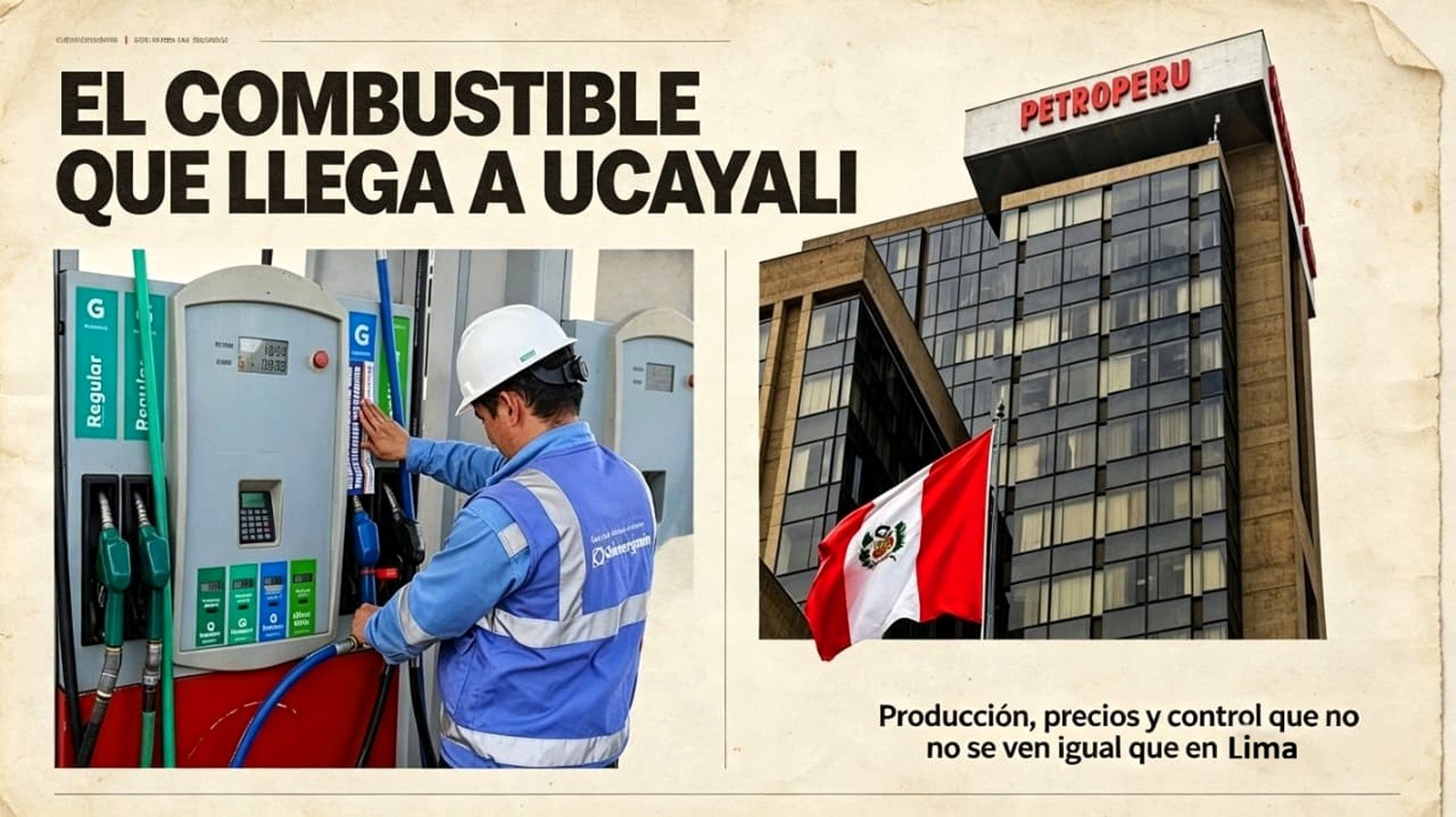
Agencia Peruana de Noticias PRENSAPERU.PE https://www.prensaperu.pe Twitter: @prensaperupe Para entender lo que ocurre en Ucayali y en toda la Amazonía, hay que mirar cómo funciona el sistema desde el principio, sin saltarse pasos. Todo comienza con el petróleo que está bajo el suelo del país. El Estado, a través de PERUPETRO, es el dueño de esos yacimientos; firma contratos con empresas —la mayoría privadas, nacionales y extranjeras— para que extraigan el crudo. Ese petróleo no se usa directo: debe pasar por una refinería para convertirse en diésel, gasolina y otros combustibles.
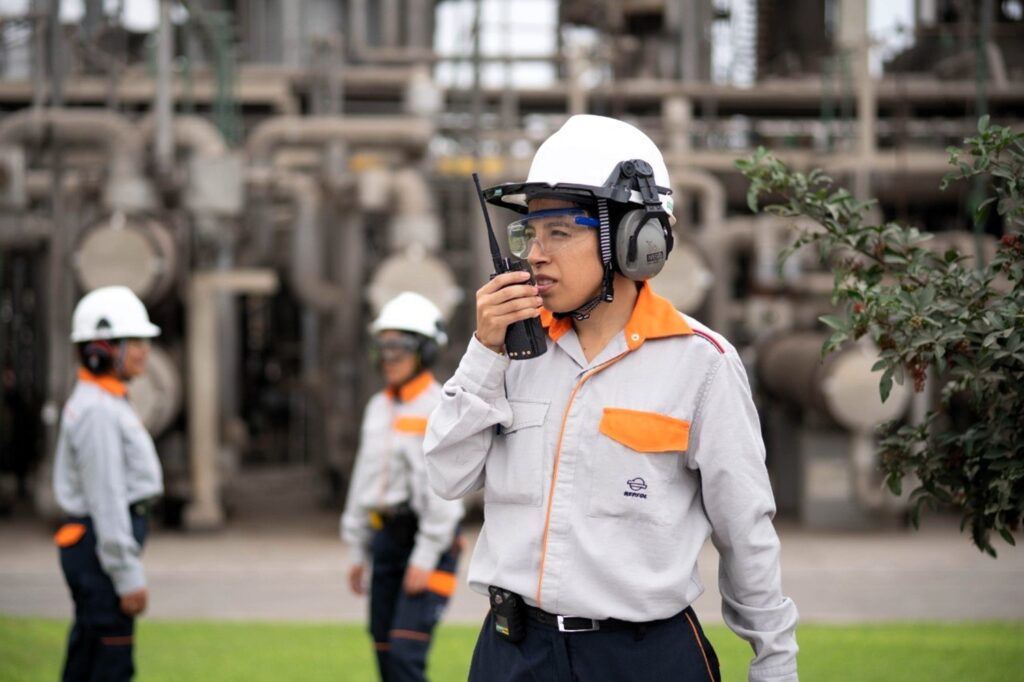
Aquí empieza la diferencia que divide al país. La empresa estatal Petroperú administra las principales refinerías. La de Talara produce diésel limpio, con un máximo de 50 partes por millón de azufre, el estándar que protege motores, salud y ambiente. Ese combustible llega a la costa, a Lima, a las grandes ciudades. En cambio, la Refinería de Conchán, en Lurín, no cuenta con la tecnología necesaria para eliminar el azufre adecuadamente. El producto que sale de allí tiene hasta 3,300 partes por millón, es decir, 66 veces más contaminante.
¿Por qué se vende algo así si no cumple con la norma nacional? Porque existe un decreto supremo que exceptúa a Ucayali y Loreto del cumplimiento del estándar de calidad. Lo que la costa rechazaría de inmediato, se envía a la selva con el aviso oficial de que “allí sí se puede”. Ese diésel viaja en barco, llega por vía fluvial hasta Pucallpa y se almacena en tanques locales. Y lo más grave: mientras en Lima el galón ronda los S/ 13.50, en Ucayali ese mismo producto —de calidad muy inferior— se vende a S/ 22.00.
No es un error de cálculo ni un problema de transporte únicamente. Es un negocio redondo en toda la línea: producirlo así cuesta menos porque se saltan los procesos de limpieza; venderse allá da más ganancia porque hay pocas empresas que controlan el suministro y ponen el precio que quieren; y todo queda “dentro de la ley” gracias a la excepción que ningún gobierno ha derogado.
Cada administración que pasa dice que “lo va a revisar”, que “lo va a estudiar”, pero el decreto sigue vigente. Mientras tanto, la Refinería de Conchán no se moderniza, la fiscalización en la selva casi no existe, el Fondo de Estabilización de Precios que protegía a los ciudadanos dejó de funcionar y nadie lo ha reactivado. El sistema se mantiene intacto porque hay quienes se benefician: quienes producen sin invertir en mejoras, quienes distribuyen sin competencia y quienes mantienen las reglas a su favor. La población de Ucayali no protesta solo por un aumento: reclama por un trato que la condena a pagar más por algo que la daña, y que nadie corrige porque a muchos les conviene que todo siga igual.
NORMA QUE PERMITE ESTE GRAVÍSIMO PROCEDIMIENTO
Decreto Supremo N° 014-2021-EM (Fecha: 15 de julio de 2021)
Qué establece: Fija el estándar nacional de diésel a 50 ppm de azufre para todo el país
La excepción: En su Disposición Complementaria Transitoria Única, dice textualmente que Ucayali y Loreto quedan exceptuados del cumplimiento del límite de 50 ppm, por un plazo que se ha venido renovando y extendiendo
Decreto Supremo N° 011-2024-EM (Fecha: 2024)
Qué hace: Prorroga nuevamente la excepción, permitiendo que en Ucayali y Loreto se siga comercializando diésel con mayor contenido de azufre
Es decir: no se corrigió nada, se extendió el plazo para seguir vendiendo combustible sucio en la selva
Del mismo modo, ambos decretos están vigentes hoy. Es decir, todo está escrito, oficial y público; no es suposición, son normas firmadas y publicadas que permiten expresamente lo que señalamos en esta investigación.
DATOS CONCEPTUALES
Crudo: Petróleo tal como se extrae del subsuelo; no se puede usar directamente como combustible, debe pasar por refinería.
Refinación: Proceso industrial que transforma el petróleo en diésel, gasolina y otros productos; las refinerías modernas eliminan el azufre para que el combustible sea limpio.
Partes por millón (ppm): Unidad que mide cuánto azufre tiene el diésel. A menor número, más limpio. El estándar nacional es 50 ppm; el que llega a Ucayali alcanza 3,300 ppm.
Excepción normativa: Disposición legal que permite a ciertas zonas no cumplir una regla general; en este caso, autoriza que la selva reciba combustible de menor calidad.
Oligopolio: Situación donde muy pocas empresas controlan todo el suministro; al no haber competencia, pueden fijar precios altos sin justificación.
Fondo de Estabilización (FEPC): Mecanismo creado para que las subidas del petróleo en el mundo no caigan de golpe sobre el ciudadano; dejó de operar a finales de 2025 y nadie lo ha reactivado.
Complicidad sistémica: Cuando todos conocen el problema —autoridades, empresas, instituciones— y nadie lo corrige, no por falta de recursos, sino por falta de voluntad.
CONCLUSIONES
1.- El combustible de mala calidad que llega a Ucayali no viene del extranjero ni de empresas foráneas: lo produce Petroperú, en la Refinería de Conchán, porque no cuenta con la tecnología para limpiarlo adecuadamente.
2.- No es un accidente: existe un decreto supremo que autoriza expresamente enviar ese producto a la selva, mientras la costa recibe diésel limpio. Esa norma debió ser derogada hace años y ningún gobierno lo ha hecho.
3.- Es un negocio redondo: producirlo así cuesta menos, venderse allá cuesta más, y la diferencia millonaria entre un precio y otro nunca se traduce en bienestar para la región.
4.- La falta de competencia en la selva: permite que pocas empresas fijen los precios que quieren, sin que Osinergmin llegue a controlar ni sancionar de verdad.
5.- Cada gobierno que pasa postergando la solución no lo hace por falta de recursos: lo hace porque cambiar las reglas afectaría los intereses de quienes se benefician del sistema actual.
6.- La salida no es dar subsidios temporales: es derogar la excepción, modernizar Conchán, reactivar el Fondo de Estabilización y fiscalizar en cada grifo. Mientras no se toquen esas cuatro cosas, el problema volverá una y otra vez.
Fuente: Agencia Peruana de Noticias PRENSAPERU.PE https://www.prensaperu.pe Twitter: @prensaperupe
Translate
“The Untouchable Business: Where Does the Dirty, Expensive Fuel for the Jungle Come From? Is Petroperú Producing the Dirty Diesel the Amazon Receives? What Lima Rejects Gets Sent to Pucallpa — This Is How the Scheme Works!”
Peruvian News Agency PRENSAPERU.PE https://www.prensaperu.pe Twitter: @prensaperupe To understand what is happening in Ucayali and across the entire Amazon, we must examine how the system works from the very beginning, skipping no steps. It all starts with the oil lying beneath the nation’s soil. The State, through PERUPETRO, owns those deposits; it signs contracts with companies —mostly private, domestic and foreign— to extract the crude. That oil cannot be used as‑is: it must pass through a refinery to become diesel, gasoline, and other fuels.
This is where the division that splits the country begins. The state‑owned company Petroperú manages the main refineries. The Talara refinery produces clean diesel, with a maximum of 50 parts per million of sulfur —the standard that protects engines, health, and the environment. That fuel reaches the coast, Lima, the major cities. In contrast, the Conchán Refinery, in Lurín, lacks the technology needed to remove sulfur properly. The product coming from there contains up to 3,300 parts per million —that is, 66 times more polluting.
Why is something like this being sold if it does not meet national standards? Because a supreme decree exempts Ucayali and Loreto from meeting the quality standard. What the coast would reject outright is sent to the jungle with official permission stating “it is allowed there.” That diesel travels by ship, reaches Pucallpa via river transport, and is stored in local tanks. Most seriously: while in Lima the gallon averages S/ 13.50, in Ucayali that same product —of vastly inferior quality— sells at S/ 22.00.
This is no miscalculation nor merely a transportation problem. It is a profitable business through and through: producing it this way costs less because cleaning processes are bypassed; selling it there yields higher profits since few companies control supply and set prices at will; and everything remains “within the law” thanks to the exemption no government has repealed.
Each incoming administration says it will “review it,” that it will “study it,” yet the decree remains in force. Meanwhile, the Conchán Refinery is never modernized, oversight in the jungle barely exists, the Price Stabilization Fund that protected citizens ceased operating and no one has reactivated it. The system stays intact because some benefit: those who produce without investing in improvements, those who distribute without competition, and those who keep the rules in their favor. The people of Ucayali are not protesting only over a price hike: they are demanding redress for treatment that condemns them to pay more for something that harms them —and which no one corrects because many prefer things unchanged.
REGULATION THAT ENABLES THIS GRAVE PRACTICE
Supreme Decree No. 014-2021-EM (Date: July 15, 2021)
What it establishes: Sets the national diesel standard at 50 ppm sulfur for the entire country
The exception: In its Single Transitional Complementary Provision, it states expressly that Ucayali and Loreto are excepted from complying with the 50 ppm limit, for a period that has been repeatedly renewed and extended
Supreme Decree No. 011-2024-EM (Date: 2024)
What it does: Extends the exception once again, allowing diesel with higher sulfur content to continue being marketed in Ucayali and Loreto
In other words: nothing was corrected — the deadline was simply extended so dirty fuel keeps being sold in the jungle
Likewise, both decrees remain in force today. Everything is written, official, and public; this is no assumption — these are signed and published regulations that expressly permit what we have pointed out in this investigation.
CONCEPTUAL DATA
Crude: Petroleum as extracted from the subsoil; cannot be used directly as fuel and must be refined.
Refining: Industrial process that transforms petroleum into diesel, gasoline, and other products; modern refineries remove sulfur to produce clean fuel.
Parts per million (ppm): Unit measuring sulfur content in diesel. Lower numbers mean cleaner fuel. The national standard is 50 ppm; fuel arriving in Ucayali reaches 3,300 ppm.
Regulatory exemption: Legal provision allowing certain zones to disregard a general rule; in this case, authorizing the Amazon to receive lower‑quality fuel.
Oligopoly: Situation where very few companies control all supply; without competition, they can set inflated prices without justification.
Stabilization Fund (FEPC): Mechanism established to prevent global oil price spikes from impacting citizens abruptly; ceased operations at the end of 2025 and has not been reactivated.
Systemic complicity: When all parties —authorities, companies, institutions— are aware of a problem yet no one corrects it, not for lack of resources but for lack of will.
CONCLUSIONS
1.- The low‑quality fuel reaching Ucayali does not come from abroad or foreign firms: it is produced by Petroperú at the Conchán Refinery, which lacks the technology to purify it adequately.
2.- This is no accident: a supreme decree expressly authorizes sending this product to the jungle while the coast receives clean diesel. That regulation should have been repealed years ago, yet no government has done so.
3.- It is a lucrative arrangement: production costs are kept low, retail prices are high, and the vast difference is never reinvested for regional well‑being.
4.- Lack of competition in the jungle: allows a handful of companies to set prices arbitrarily, with Osinergmin failing to oversee or truly enforce standards.
5.- Successive governments delay solutions not from scarcity of resources: they do so because changing the rules would affect those profiting from the current system.
6.- The solution lies not in temporary subsidies: it requires repealing the exemption, modernizing Conchán, reactivating the Stabilization Fund, and inspecting every service station. Until these four actions are taken, the problem will return repeatedly.
Source: Peruvian News Agency PRENSAPERU.PE https://www.prensaperu.pe Twitter: @prensaperupe