
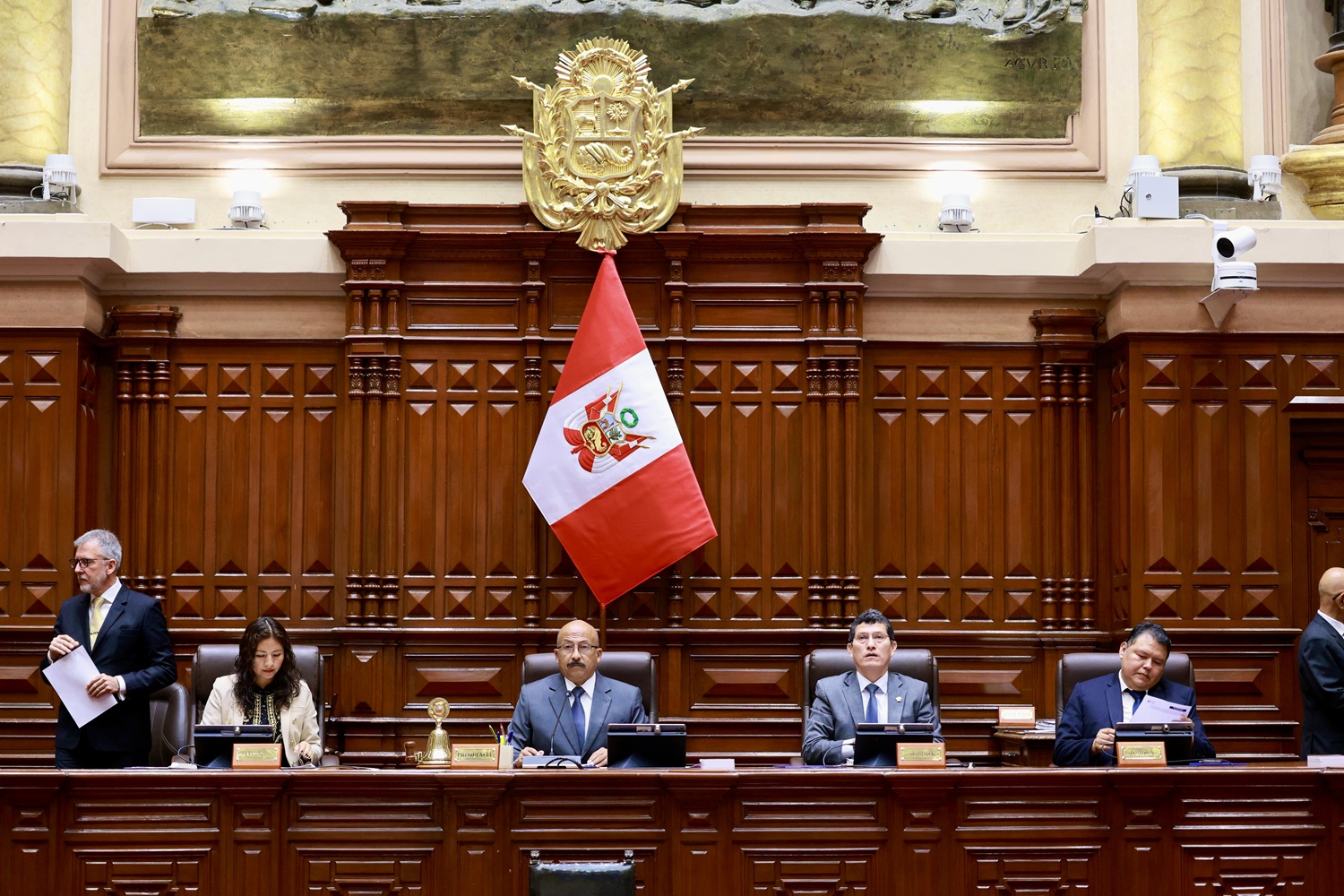
Agencia Peruana de Noticias PRENSAPERU.PE https://www.prensaperu.pe Twitter: @prensaperupe El escenario político peruano entra en una fase decisiva el jueves 1 de octubre de 2026, cuando el Pleno de la Cámara de Diputados convoque a debate dos acciones de control político de trascendencia institucional: la moción de censura contra el ministro del Interior, César Astudillo Salcedo, y la interpelación dirigida al ministro de Educación, José Antonio Chang Escobedo. La definición de la agenda por la Junta de Portavoces, bajo la conducción del titular del Legislativo, Oscar Reto Otero, marca un hito en el ejercicio de la función fiscalizadora del Parlamento frente al Poder Ejecutivo.
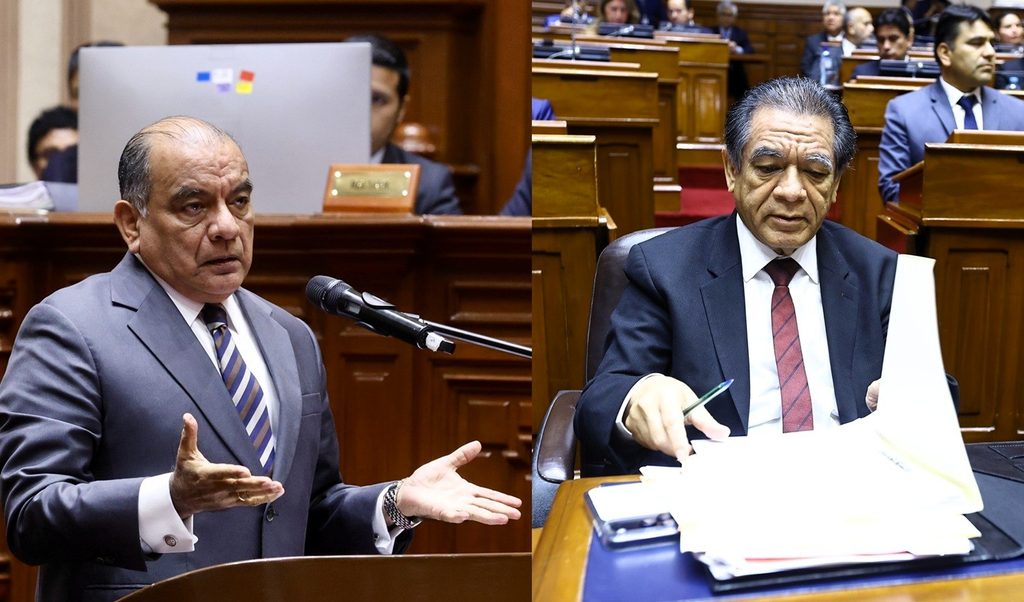
La moción de censura N.º 445, presentada de forma conjunta por las bancadas de Juntos por el Perú, Partido Cívico Obras y Partido del Buen Gobierno, fundamenta su pedido en la presunta «manifiesta incapacidad de liderazgo y falta de idoneidad para el ejercicio del cargo» del titular del sector seguridad ciudadana. El debate se desarrollará en un lapso de tres horas, distribuidas proporcionalmente entre las representaciones parlamentarias, sin prórroga ni interrupción, conforme al acuerdo unánime de la Junta. Esta celeridad contrasta con la gravedad de la medida: de aprobarse, requerirá el respaldo de más de la mitad del número legal de diputados, conforme al Artículo 157 del Reglamento de la Cámara, norma que establece además que estas iniciativas deben debatirse y votarse entre el cuarto y décimo día calendario tras su presentación.
Paralelamente, la moción N.º 424 —promovida por Ahora Nación, Juntos por el Perú y Partido Cívico Obras— da inicio al trámite de interpelación al ministro de Educación. El pliego formulado contiene 44 preguntas que abarcan aspectos críticos de la gestión del sector: la crisis institucional de la Universidad Nacional de Ucayali, el presunto hostigamiento sexual imputado al superintendente de la Sunedu, presuntas irregularidades en procesos de designación y nombramiento de funcionarios, la orientación de la política de educación superior universitaria y la implementación de la Ley N.º 32581 —norma que garantiza el pago de pensiones de protección social a maestros jubilados y cesantes—, entre otros temas de impacto colectivo.
El debate de estas iniciativas se produce en un contexto de creciente exigencia social por transparencia, eficacia y rendición de cuentas en la administración pública. A la par, la agenda del Pleno incluye 18 mociones para la conformación de comisiones especiales y tres propuestas de comisiones investigadoras, lo que refleja una intensificación del control legislativo sobre diversos ámbitos de la gestión estatal.
Desde una perspectiva cuantitativa, los datos revelan un salto cualitativo en la activación de mecanismos de control:
Tres horas continuas asignadas al debate de censura, sin minutos adicionales, lo que impone rigurosidad en la exposición de argumentos;
44 preguntas formuladas en el pliego interpelatorio, abarcando temas institucionales, éticos, laborales y presupuestarios;
Más de la mitad del número legal de diputados —esto es, al menos 66 votos, considerando 130 como número legal de miembros— constituye el umbral decisorio para remover al ministro del Interior;
Al menos cuatro grupos parlamentarios distintos participan como proponentes en cada iniciativa, evidenciando articulación entre fuerzas políticas;
21 mecanismos de investigación y control adicionales ingresan a la agenda en un solo día, indicando un aumento en la activación de facultades fiscalizadoras respecto a períodos anteriores.
Metodológicamente, el análisis se sustenta en el enfoque inductivo-deductivo: se parte de los hechos concretos —contenido de las mociones, distribución de tiempos y normativa aplicable— para derivar tendencias sobre el equilibrio entre poderes del Estado, y a su vez se contrasta la acción parlamentaria con los principios constitucionales de responsabilidad política.
Entre las soluciones que se plantean para fortalecer el proceso democrático: establecer plazos perentorios para la respuesta escrita y oral en interpelaciones; sistematizar el seguimiento de cumplimiento de recomendaciones formuladas por comisiones investigadoras; y garantizar difusión amplia y accesible de los debates para el escrutinio ciudadano.
DATOS CONCEPTUALES
Moción de censura: Instrumento de control político mediante el cual el Parlamento puede manifestar su desaprobación a un ministro de Estado y provocar su remoción. Requiere votación favorable de más de la mitad del número legal de miembros de la Cámara, conforme al Artículo 157 del Reglamento. Su aprobación implica la destitución inmediata del funcionario. Fuente: Reglamento de la Cámara de Diputados del Perú.
Interpelación: Mecanismo mediante el cual la Cámara requiere la presencia de un ministro para responder, oralmente y por escrito, un pliego de preguntas sobre actos de su gestión. No conlleva destitución directa, pero puede anteceder a una moción de censura o acusación constitucional. Fuente: Constitución Política del Perú, Artículos 129–133.
Junta de Portavoces: Órgano de coordinación política integrado por los presidentes de los grupos parlamentarios, que define la agenda del Pleno y distribuye los tiempos de debate. Sus decisiones se adoptan por consenso o votación, conforme al Reglamento. Fuente: Reglamento de la Cámara de Diputados.
Número legal de miembros: Cantidad de escaños establecida por ley para conformar la Cámara, independientemente de vacancias. Constituye el parámetro para calcular mayorías calificadas o absolutas. Fuente: Ley Orgánica del Poder Legislativo.
Comisión especial / comisión investigadora: Grupo de trabajo creado por el Pleno para analizar asuntos específicos. Las investigadoras tienen facultades de citación, requerimiento de información y conclusiones con recomendaciones; sus hallazgos pueden derivar en acciones judiciales o políticas. Fuente: Reglamento de la Cámara de Diputados.
CONCLUSIONES
1.- El debate del 1 de octubre marca un punto de inflexión en la relación entre poderes: por primera vez en el actual período legislativo, dos sectores estratégicos —seguridad y educación— son sometidos simultáneamente a procesos de control de máxima intensidad, lo que redefine el umbral de exigencia parlamentaria frente al Ejecutivo.
2.- La interpelación al sector educación trasciende lo administrativo: aborda temas estructurales como la protección social de los maestros jubilados y la integridad ética en la gestión pública, demostrando que el control político también incide sobre derechos fundamentales y la calidad de vida de miles de personas.
3.- El cumplimiento estricto del plazo reglamentario de debate sin prórroga constituye un precedente de disciplina institucional que, de mantenerse, mejorará la previsibilidad y legitimidad de las decisiones del Parlamento ante la opinión pública.
4.- La convergencia de distintas fuerzas parlamentarias en la presentación de las mociones revela que el control político no responde a intereses partidarios aislados, sino a una percepción compartida de insuficiencia en la gestión, lo que amplía la base de legitimidad social del cuestionamiento.
5.- La acumulación de 21 iniciativas de control en una sola jornada evidencia un déficit histórico de seguimiento legislativo; la activación simultánea de estos mecanismos obliga a diseñar un sistema permanente de monitoreo y evaluación de las recomendaciones aprobadas para que no queden en declaraciones sin efecto.
Fuente: Agencia Peruana de Noticias PRENSAPERU.PE https://www.prensaperu.pe Twitter: @prensaperupe
Translate
On Thursday, the Chamber of Deputies will debate a censure motion against the Interior Minister and the questioning of the Education Minister. A litmus test for political oversight arrives for the security and education sectors.
Peruvian News Agency PRENSAPERU.PE https://www.prensaperu.pe Twitter: @prensaperupe The Peruvian political scenario enters a decisive phase on Thursday, October 1, 2026, when the Plenary of the Chamber of Deputies convenes debate on two actions of institutional significance: the motion of censure against the Minister of the Interior, César Astudillo Salcedo, and the interpellation directed to the Minister of Education, José Antonio Chang Escobedo. The definition of the agenda by the Board of Spokespersons, under the leadership of the President of the Legislature, Oscar Reto Otero, marks a milestone in the exercise of the oversight function of Parliament vis-à-vis the Executive Branch.
Motion No. 445 for censure, presented jointly by the parliamentary blocs of Together for Peru, Civic Works Party, and Good Government Party, bases its request on the alleged “manifest inability to lead and lack of suitability for the exercise of the office” of the head of the citizen security sector. The debate will be held over a period of three hours, distributed proportionally among the parliamentary representations, without extension or interruption, in accordance with the unanimous agreement of the Board. This timeliness contrasts with the seriousness of the measure: if approved, it will require the support of more than half the legal number of deputies, pursuant to Article 157 of the Chamber’s Regulations, a provision which further establishes that these initiatives must be debated and voted upon between the fourth and tenth calendar day following their submission.
In parallel, Motion No. 424 — promoted by Now Nation, Together for Peru, and Civic Works Party — initiates the interpellation process regarding the Minister of Education. The formulated questionnaire contains 44 questions covering critical aspects of the sector’s management: the institutional crisis at the National University of Ucayali, the alleged sexual harassment attributed to the Superintendent of Sunedu, alleged irregularities in appointment and designation processes for officials, the orientation of university higher education policy, and the implementation of Law No. 32581 — a law guaranteeing pension payments for social protection of retired and ceased teachers — among other matters of collective impact.
The debate on these initiatives takes place in a context of growing social demand for transparency, effectiveness, and accountability in public administration. Concurrently, the Plenary agenda includes 18 motions for the formation of special committees and three proposals for investigatory committees, reflecting an intensification of legislative oversight across various areas of state management.
From a quantitative perspective, the data reveal a qualitative leap in the activation of oversight mechanisms:
Three consecutive hours allocated to the censure debate, without additional minutes, imposing rigor in the presentation of arguments;
44 questions formulated in the interpellatory questionnaire, covering institutional, ethical, labor, and budgetary matters;
More than half the legal number of deputies — that is, at least 66 votes, taking 130 as the legal number of members — constitutes the decisive threshold for removing the Minister of the Interior;
At least four distinct parliamentary groups participating as proponents in each initiative, demonstrating coordination among political forces;
21 additional investigation and oversight mechanisms added to the agenda in a single day, indicating an increase in the activation of oversight powers compared to previous periods.
Methodologically, the analysis is grounded in the inductive-deductive approach: it proceeds from concrete facts — the content of the motions, allocation of time, and applicable regulations — to derive trends regarding the balance of powers of the State, while contrasting parliamentary action with the constitutional principles of political accountability.
Among the solutions proposed to strengthen the democratic process: establishing mandatory timeframes for written and oral responses in interpellations; systematizing follow-up on compliance with recommendations issued by investigatory committees; and ensuring broad and accessible dissemination of debates for public scrutiny.
CONCEPTUAL DATA
Motion of censure: A political oversight instrument through which Parliament may express its disapproval of a Minister of State and bring about their removal. It requires the favorable vote of more than half the legal number of members of the Chamber, pursuant to Article 157 of the Regulations. Its approval results in the immediate removal of the official. Source: Regulations of the Chamber of Deputies of Peru.
Interpellation: A mechanism through which the Chamber requests the presence of a Minister to respond, orally and in writing, to a questionnaire concerning acts of their management. It does not entail direct removal from office, but may precede a motion of censure or constitutional accusation. Source: Political Constitution of Peru, Articles 129–133.
Board of Spokespersons: A political coordination body composed of the presidents of the parliamentary groups, which defines the Plenary agenda and allocates debate time. Its decisions are adopted by consensus or vote, in accordance with the Regulations. Source: Regulations of the Chamber of Deputies.
Legal number of members: The number of seats established by law to constitute the Chamber, independent of vacancies. It serves as the reference point for calculating qualified or absolute majorities. Source: Organic Law of the Legislative Branch.
Special committee / investigatory committee: A working group established by the Plenary to examine specific matters. Investigatory committees have powers of summons, information request, and conclusions with recommendations; their findings may lead to judicial or political action. Source: Regulations of the Chamber of Deputies.
CONCLUSIONS
1.- The debate of October 1 marks an inflection point in relations between branches of power: for the first time in the current legislative term, two strategic sectors — security and education — are simultaneously subjected to oversight processes of maximum intensity, redefining the threshold of parliamentary demand upon the Executive.
2.- The interpellation of the education sector extends beyond administrative matters: it addresses structural issues such as social protection for retired teachers and ethical integrity in public management, demonstrating that political oversight also bears upon fundamental rights and the quality of life of thousands of people.
3.- Strict adherence to the regulatory timeframe for debate without extension sets a precedent of institutional discipline which, if maintained, will enhance predictability and the legitimacy of parliamentary decisions before public opinion.
4.- The convergence of diverse parliamentary forces in submitting the motions reveals that political oversight does not respond to isolated partisan interests, but to a shared perception of management inadequacy, broadening the basis of social legitimacy for the scrutiny.
5.- The accumulation of 21 oversight initiatives in a single day exposes a historical deficit in legislative follow-up; the simultaneous activation of these mechanisms makes it necessary to design a permanent system for monitoring and evaluating adopted recommendations so they do not remain as statements without effect.
Source: Peruvian News Agency PRENSAPERU.PE https://www.prensaperu.pe Twitter: @prensaperupe