
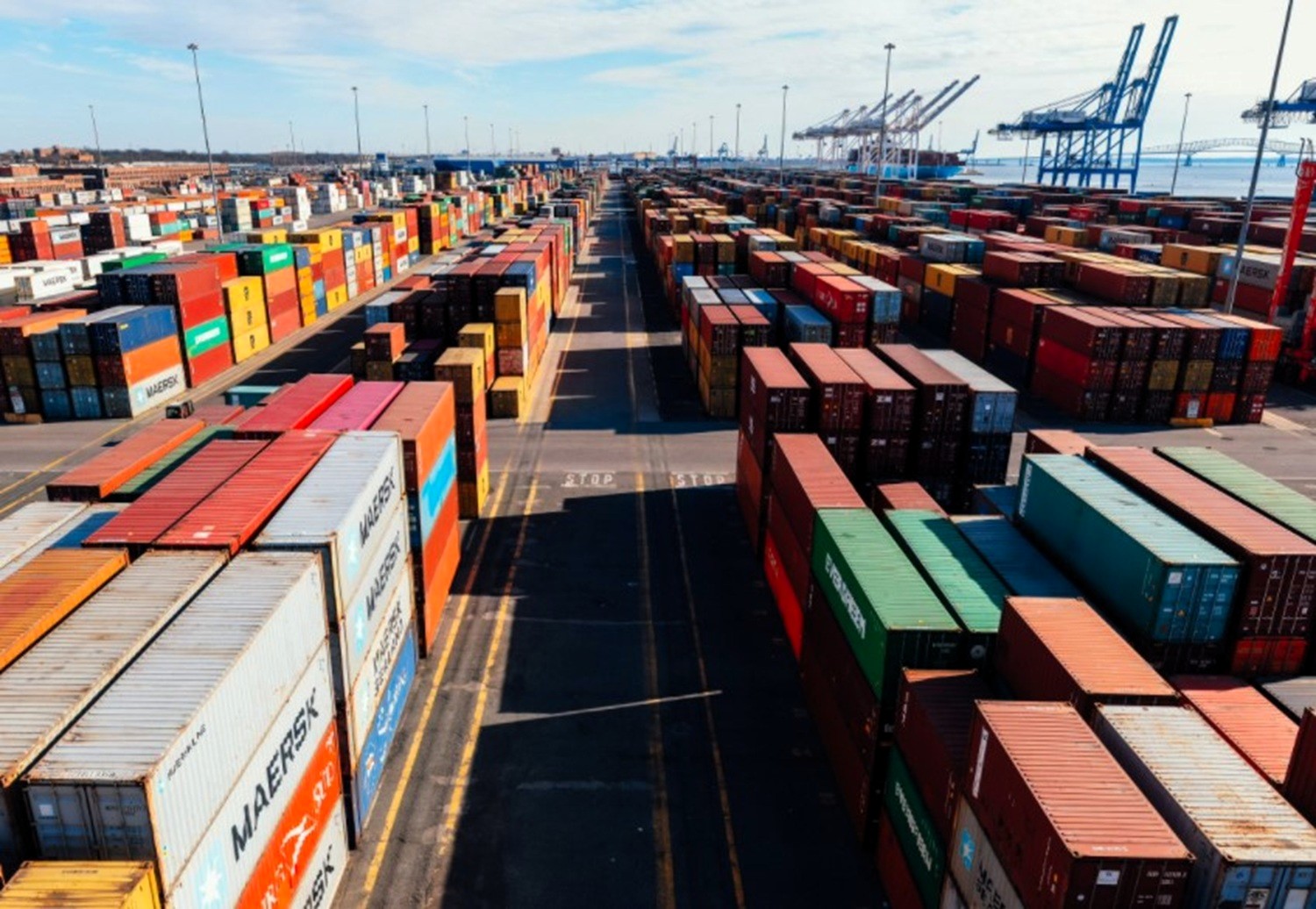
Agencia Peruana de Noticias PRENSAPERU.PE https://www.prensaperu.pe Twitter: @prensaperupe Entre los meses de enero y julio de 2026, el comercio exterior peruano registró un desempeño destacado: según el informe del Centro de Investigación de Economía y Negocios Globales de la Asociación de Exportadores (CIEN‑ADEX), los envíos al exterior alcanzaron los US$ 63 mil 521 millones, lo que equivale a un incremento del 33.3% respecto al mismo periodo del año anterior, cuando se anotaron US$ 47 mil 642 millones. Este impulso se explica principalmente por la evolución favorable de los precios internacionales de productos mineros, que constituyen el pilar fundamental de la oferta nacional.
Sin embargo, el resultado global positivo oculta profundas diferencias internas. Al analizar el comportamiento por sectores, se advierte que cinco subsectores registraron caída en sus ingresos por exportación: pesca primaria, confecciones, metalmecánica, minería no metálica y joyería. Si la medición se realiza en volumen —cantidad física enviada—, el número de actividades en retroceso sube a nueve: pesca tradicional, hidrocarburos, agroindustria, textil, confecciones, metalmecánica, siderometalurgia, joyería y maderas. Esta dualidad —mayor valor total pero menor cantidad exportada en ramas clave— revela que el crecimiento actual depende fuertemente de cotizaciones internacionales, mientras que la capacidad de producir y colocar más bienes en el exterior sigue limitada.
El presidente de ADEX, César Tello Ramírez, advirtió sobre esta realidad y planteó la necesidad de diseñar e implementar una agenda proexportadora integral, cuyo objetivo no sea solo aumentar el monto global, sino ampliar la base de participantes: incorporar más empresas, especialmente pequeñas y medianas (pymes), dar mayor valor agregado a los productos y facilitar su inserción en las cadenas globales de producción y comercio. Asimismo, señaló que es indispensable mejorar el entorno de negocios: reducir costos innecesarios, eliminar trabas administrativas, normativas o logísticas que restan competitividad, y generar confianza para atraer inversiones productivas. Todo esto, en un contexto donde naciones competidoras avanzan con estrategias definidas para ganar espacio en los mercados mundiales.
A estos retos se suma la amenaza climática: la probabilidad de un fenómeno El Niño Costero de gran intensidad, que puede afectar infraestructura, producción agrícola, pesquera y de transporte, generando pérdidas y alteraciones en la cadena de suministro. Por ello, Tello insistió en que la planificación debe ser preventiva, incluyendo la construcción y modernización de infraestructura resiliente, capaz de resistir eventos extremos sin interrumpir el flujo comercial.
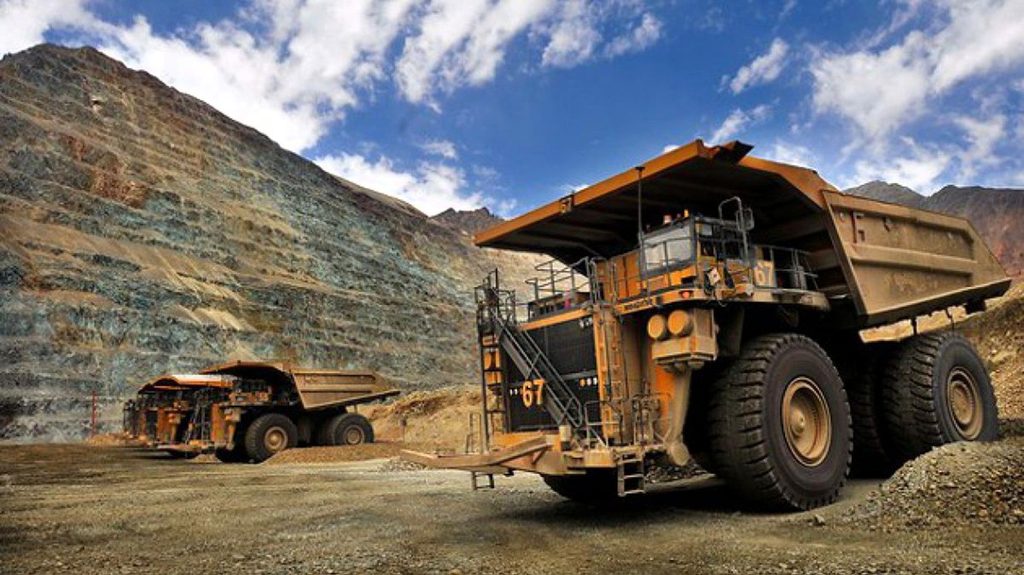
Por grandes rubros, el sector tradicional —basado en recursos naturales con escasa transformación— aportó US$ 50 mil 935 millones, es decir, el 80.2% del total, con un aumento interanual del 44%. La minería fue el motor indiscutible: US$ 46 mil 283 millones (+49.2%), liderada por cobre y oro en bruto, que juntos representan casi dos tercios del valor exportado. Le siguieron los hidrocarburos con una expansión del 28.4%, mientras que la pesca tradicional cayó 19.7% y el sector agropecuario creció apenas 0.4%. Los principales destinos de esta oferta son China (46.1%), India, Canadá, Estados Unidos y Suiza, lo que evidencia una alta concentración geográfica.
Por su parte, los productos con valor agregado —aquellos que pasan por procesos industriales o de transformación— sumaron US$ 12 mil 586 millones, apenas el 19.8% del total, con un avance moderado de solo 2.5% respecto al 2025. Dentro de este grupo, destacan la agroindustria (US$ 6 mil 017 millones), productos químicos (US$ 1,536 millones), pesca y acuicultura transformada (US$ 1,443 millones) y siderometalurgia (US$ 1,372 millones). En los puestos siguientes aparecen confecciones, minería no metálica, metalmecánica, textil, maderas y joyería —este último con uno de los retrocesos más pronunciados—. Los productos individuales de mayor valor fueron palta, uvas frescas, pota congelada, arándanos, alambre de cobre refinado, mangos, fosfatos y cacao.
En cuanto a mercados para bienes transformados, Estados Unidos es el principal comprador con el 27.9%, seguido por Países Bajos, China, Chile y España. El mapa comercial se completa con diez naciones que concentran más de la mitad de los envíos, aunque el país ya llega a 166 destinos distintos.
En materia de actores, 7 mil 731 empresas participaron en el comercio exterior, 255 más que el año anterior —una buena señal de mayor inclusión—, aunque la variedad de productos ofrecidos disminuyó en 89 partidas, lo que sugiere una cierta especialización o reducción de la gama exportada.
DATOS CONCEPTUALES
Valor FOB (Franco a Bordo): Es el valor de la mercancía en el momento en que sale del puerto o punto de origen del país exportador; incluye el costo del producto y los gastos locales hasta su embarque, pero no el transporte internacional ni seguros. Es la unidad de medida estándar para registrar estadísticas oficiales de comercio exterior.
Sector Tradicional: Comprende bienes basados en recursos naturales, generalmente con muy poca o ninguna transformación industrial: minerales en bruto, petróleo, gas, productos pesqueros básicos, fibras agrícolas. Sus precios dependen fuertemente de cotizaciones internacionales y suelen tener menor margen de ganancia.
Sector No Tradicional / Valor Agregado: Productos que han recibido procesos industriales, tecnológicos o de elaboración, lo que les da mayor valor económico, diferenciación y potencial de crecimiento. Incluye agroindustria, manufacturas, química, textil, confecciones, entre otros. Su desarrollo es clave para diversificar la economía.
Competitividad: Capacidad de ofrecer bienes y servicios en los mercados internacionales con precios, calidad y características que permitan sostener y aumentar la participación, superando a otros países. Se ve afectada por costos, normativa, infraestructura, logística y acceso a mercados.
Infraestructura Resiliente: Obras e instalaciones diseñadas, construidas y operadas para soportar eventos adversos —como lluvias intensas, desastres naturales o cambios climáticos—, manteniendo su funcionalidad y reduciendo riesgos de interrupción en la cadena productiva y comercial.
Cadenas Globales de Valor: Redes internacionales donde distintas empresas participan en las distintas etapas de producción, desde la idea y diseño hasta la elaboración, distribución y venta final. Integrarse en ellas permite a países como el Perú acceder a mercados grandes sin tener que desarrollar todo el proceso solo.
DATOS IMPORTANTES
1.- El crecimiento es fuerte pero frágil: El aumento de 33.3% responde casi enteramente al alza de precios de minerales; no refleja una expansión generalizada de la capacidad productiva, ni una mayor diversificación de la oferta. Si los precios bajan, el resultado global podría caer rápidamente.
2.- Persiste la dependencia de materias primas: El 80.2% de los ingresos proviene del sector tradicional, mientras que los bienes con valor agregado avanzan muy lentamente (+2.5%). Esto confirma que el Perú sigue vendiendo principalmente recursos, no conocimiento ni industria, perdiendo oportunidades de mayores ingresos.
3.- Hay sectores en retroceso estructural: Nueve actividades caen en volumen y cinco en valor; entre ellas ramas industriales y manufactureras que son fundamentales para generar empleo de calidad y encadenamientos productivos. Su debilitamiento exige atención urgente.
4.- La base exportadora crece, pero falta profundidad: Más empresas exportan, pero menos productos distintos se envían al exterior. Es necesario facilitar el acceso de las pymes, reducir costos y eliminar barreras para ampliar tanto la cantidad de actores como la variedad de bienes.
5.- El riesgo climático es también riesgo comercial: El Fenómeno El Niño Costero representa una amenaza directa sobre la producción, la infraestructura y la logística. Prevenir y construir resiliencia no es solo protección civil, sino una estrategia indispensable para mantener el crecimiento económico.
Fuente: Agencia Peruana de Noticias PRENSAPERU.PE https://www.prensaperu.pe Twitter: @prensaperupe
Translate
Center for Economic and Global Business Research (ADEX): Exports grow 33.3% — driven by mining, yet with both strengths and challenges. More companies export, but fewer distinct products: How to expand national supply?
Peruvian News Agency PRENSAPERU.PE https://www.prensaperu.pe Twitter: @prensaperupe Between January and July 2026, Peru’s foreign trade recorded an outstanding performance: according to the report from the Center for Economic and Global Business Research of the Association of Exporters (CIEN‑ADEX), shipments abroad reached US$ 63.521 billion, representing an increase of 33.3% compared to the same period the previous year, when the figure stood at US$ 47.642 billion. This momentum is driven primarily by the favorable trend in international prices for mineral products, which form the fundamental pillar of the country’s export supply.
However, this positive overall result conceals deep internal disparities. An analysis of performance by sector shows that five sub‑sectors recorded declines in export earnings: primary fisheries, apparel, metalworking, non‑metallic mining, and jewelry. When measured by volume —physical quantities shipped—, the number of activities in decline rises to nine: traditional fisheries, hydrocarbons, agro‑industry, textiles, apparel, metalworking, iron and steel industry, jewelry, and wood products. This duality —higher total value but lower export volume in key sectors— reveals that current growth depends heavily on international price quotations, while the capacity to produce and place more goods in foreign markets remains limited.
César Tello Ramírez, President of ADEX, drew attention to this reality and called for the design and implementation of a comprehensive pro‑export agenda. Its objective should not be limited to increasing total export value, but also broadening the base of participants: bringing more companies —especially small and medium‑sized enterprises (SMEs)— into the market, increasing the added value of products, and facilitating their integration into global production and trade chains. He also emphasized the need to improve the business environment: reduce unnecessary costs, remove administrative, regulatory and logistical barriers that erode competitiveness, and build confidence to attract productive investment. All this must be achieved in a context where competing countries are advancing with defined strategies to expand and diversify their presence in international markets.
Added to these challenges is the climate risk: the likelihood of a strong Coastal El Niño event, which could affect infrastructure, agricultural output, fisheries and transport, causing losses and disruptions to supply chains. For this reason, Tello stressed that planning must be preventive, including the construction and upgrading of resilient infrastructure —facilities capable of withstanding extreme events without disrupting commercial flows.
By major sectors, the traditional sector —based on natural resources with little or no processing— contributed US$ 50.935 billion, or 80.2% of total exports, with an inter‑annual increase of 44%. Mining was the undisputed driving force: US$ 46.283 billion (+49.2%), led by copper and gold in bulk, which together account for nearly two‑thirds of total export value. This was followed by hydrocarbons, which grew by 28.4%, while traditional fisheries fell by 19.7% and the agricultural sector grew by a modest 0.4%. The main destinations for these exports are China (46.1%), India, Canada, the United States and Switzerland —a clear sign of high geographic concentration.
Meanwhile, products with added value —goods that have undergone industrial or processing stages— totalled US$ 12.586 billion, just 19.8% of the total, with a moderate growth rate of only 2.5% compared to 2025. Within this group, the leading sectors were agro‑industry (US$ 6.017 billion), chemical products (US$ 1.536 billion), processed fisheries and aquaculture products (US$ 1.443 billion), and iron and steel products (US$ 1.372 billion). Further down the list are apparel, non‑metallic mining, metalworking, textiles, wood products and jewelry —the latter showing one of the most pronounced declines. Individual products with the highest export value included avocados, fresh grapes, frozen squid, blueberries, refined copper wire, mangoes, natural calcium phosphates, and cocoa beans.
As for markets for processed goods, the United States is the largest buyer, accounting for 27.9% of total exports, followed by the Netherlands, China, Chile and Spain. Ten countries make up the top destinations, absorbing more than half of all shipments, although Peru already exports to 166 different markets worldwide.
In terms of economic actors, 7,731 companies participated in foreign trade, 255 more than in the previous year —a positive sign of broader inclusion—, although the variety of products offered decreased by 89 items, suggesting a process of specialization or a narrowing of the export basket.
CONCEPTUAL DEFINITIONS
FOB Value (Free On Board): The value of goods at the moment they leave the port or point of origin in the exporting country; it includes the cost of the product and all local expenses up to the point of shipment, but excludes international freight and insurance. It is the standard unit used to compile official trade statistics.
Traditional Sector: Covers goods based on natural resources, generally with minimal or no industrial processing: raw minerals, oil, gas, basic fishery products, agricultural fibers. Their prices are highly dependent on international market fluctuations and typically yield lower profit margins.
Non‑Traditional Sector / Value‑Added Goods: Products that have undergone industrial, technological or processing stages, which give them greater economic value, differentiation and growth potential. This category includes agro‑industry, manufacturing, chemicals, textiles, apparel and others. Its development is essential to diversify the economy.
Competitiveness: The ability to offer goods and services in international markets at prices, quality levels and with features that allow a country to maintain and expand its market share, outperforming other nations. It is influenced by production costs, regulatory frameworks, infrastructure, logistics and access to markets.
Resilient Infrastructure: Facilities and systems designed, built and operated to withstand adverse events —such as heavy rainfall, natural disasters or climate shifts— while maintaining functionality and minimizing the risk of disruption to production and commercial supply chains.
Global Value Chains: International networks in which different companies participate in various stages of production, from conception and design to manufacturing, distribution and final sale. Integration into these chains allows countries like Peru to access large international markets without having to develop the entire production process independently.
KEY FINDINGS
1.- Strong yet fragile growth: The 33.3% increase is driven almost entirely by rising mineral prices; it does not reflect broad‑based expansion of productive capacity or greater diversification of exports. If commodity prices fall, overall performance could decline rapidly.
2.- Persistent dependence on raw materials: 80.2% of export earnings come from the traditional sector, while value‑added goods grow at a very slow pace (+2.5%). This confirms that Peru still sells primarily natural resources rather than knowledge or industrial output, missing opportunities to generate higher incomes.
3.- Structural decline in key sectors: Nine activities recorded lower export volumes and five saw reduced export earnings —including industrial and manufacturing sectors that are critical to quality job creation and productive linkages. Their decline requires urgent policy attention.
4.- Expanding export base, yet lacking depth: More companies are exporting, but fewer distinct products are being shipped abroad. It is essential to facilitate access for SMEs, reduce costs and remove barriers to expand both the number of participants and the diversity of goods offered.
5.- Climate risk equals commercial risk: The Coastal El Niño phenomenon poses a direct threat to production, infrastructure and logistics. Prevention and resilience‑building are not merely matters of civil protection —they are indispensable strategies for sustaining economic growth.
Source: Peruvian News Agency PRENSAPERU.PE https://www.prensaperu.pe Twitter: @prensaperupe