
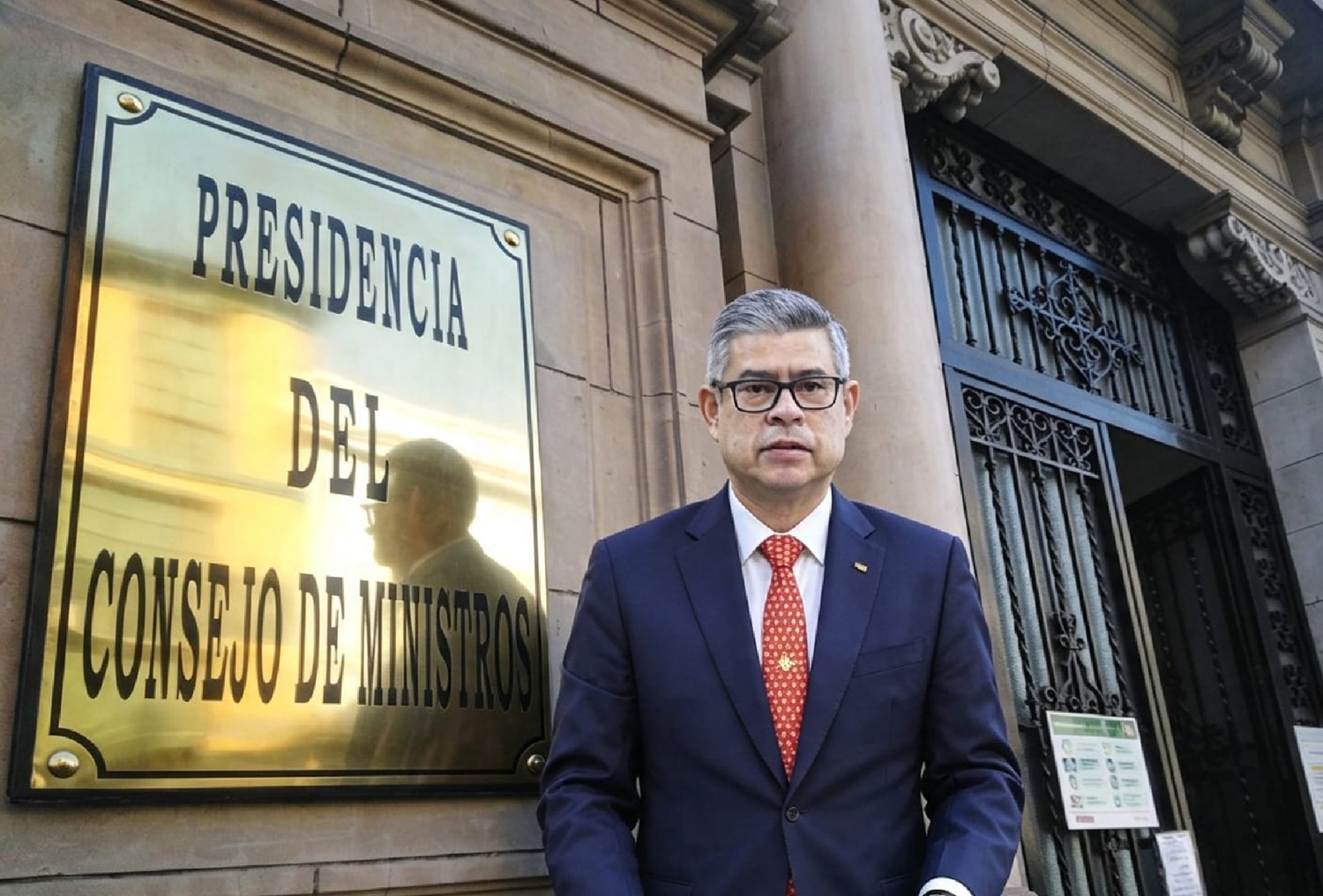
Agencia Peruana de Noticias PRENSAPERU.PE https://www.prensaperu.pe Twitter: @prensaperupe Este jueves 20 de agosto de 2026 queda registrado como una fecha histórica en la vida democrática del Perú. El Presidente del Consejo de Ministros, Luis Galarreta Velarde, acompañado por el Gabinete en pleno, acude ante la Cámara de Diputados para exponer la Política General de Gobierno. Es la primera vez en 34 años que el Ejecutivo rinde cuentas bajo un sistema bicameral, recuperado tras la disolución del Senado en 1992. Este acto no es protocolo: es el momento en que el Gobierno debe decir con claridad cómo enfrentará los enormes desafíos del país. Y el Perú espera respuestas, porque son muchos y muy profundos los problemas que urgen solución.
I.- SEGURIDAD CIUDADANA: El Estado debe recuperar el control del territorio.
El primer gran tema que el Premier debe abordar es el más apremiante: la inseguridad ciudadana, el sicariato y la criminalidad organizada. El Perú vive hoy una crisis de violencia que ha transformado la vida cotidiana en ciudades, pueblos y carreteras. Bandas dedicadas al cobro de cupos, extorsiones, asesinatos selectivos y sicariato operan con creciente audacia, sembrando terror entre comerciantes, transportistas, agricultores y familias enteras. Los reportes de denuncias han alcanzado cifras alarmantes, y la sensación de indefensión es generalizada. El Gobierno ha señalado que restablecer el orden en las calles es su prioridad. Se espera que Galarreta detalle medidas concretas: el fortalecimiento de la Policía Nacional, el apoyo constitucional de las Fuerzas Armadas, inteligencia criminal, reforma penitenciaria y un plan integral contra la extorsión. El país no necesita discursos: necesita que el Estado recupere el control y que el ciudadano pueda salir de casa sin miedo.
II.- FENÓMENO EL NIÑO: La emergencia que ya está sobre nosotros.
El segundo gran frente es el Fenómeno El Niño, que ya se hace sentir con fuerza. Lluvias intensas, inundaciones, friaje devastador en las zonas altoandinas y olas de calor marino no son pronósticos: son realidad. Comunidades agrícolas, ganaderas y poblaciones enteras ya sufren pérdidas de cultivos, viviendas dañadas, caminos colapsados y riesgo para la salud y la vida. El Gobierno anunció recursos, pero la población exige saber: ¿Cómo se distribuirán? ¿Qué planes hay para las zonas más vulnerables? ¿Qué se hará para proteger a los agricultores y ganaderos? ¿Dónde está la prevención real? La exposición debe responder con datos, cronogramas y responsables claros. No hay tiempo para demoras.
III.- ECONOMÍA Y COSTO DE VIDA: Presión sobre cada familia peruana.
El tercer pilar es la situación económica y el costo de vida. El alza internacional de los combustibles, generada por conflictos geopolíticos, ha impactado directamente en el Perú: los precios se han elevado fuertemente, arrastrando consigo el costo de los alimentos, el transporte y los servicios esenciales. Esto ha provocado malestar social y protestas en diversas regiones. El Gobierno ha anunciado un subsidio focalizado, pero la población necesita saber: ¿será suficiente? ¿alcanzará a todos los sectores afectados? ¿Qué medidas se tomarán para contener el alza de los alimentos de primera necesidad? ¿Cómo se protegerá el poder adquisitivo de las familias? La estabilidad económica no es un asunto técnico: es un asunto de supervivencia cotidiana.
IV.- LUCHA CONTRA LA CORRUPCIÓN: Un mal que nos desangra desde todos los niveles.
Este es un punto central que no puede quedar ausente. La corrupción sigue imperando en el país, y millones y millones de soles se pierden cada año por actos de corrupción a lo largo y ancho del territorio, en todos los niveles de gobierno: desde el Gobierno Nacional, pasando por los Gobiernos Regionales, hasta los Gobiernos Municipales. Es un mal transversal que erosiona la institucionalidad, desvía recursos que deberían ir a obras y servicios, y destruye la confianza de la ciudadanía en sus autoridades. No se trata de hechos aislados: es un sistema enquistado que se alimenta de la impunidad. El Premier debe anunciar medidas concretas: fortalecimiento de los organismos de control, transparencia total en las compras estatales, rendición de cuentas obligatoria y cero tolerancia con quienes roban los recursos del pueblo. Sin enfrentar la corrupción, ningún plan de gobierno podrá cumplirse.
V.- INFRAESTRUCTURA Y DESBUROCRATIZACIÓN: El país estancado por sus propias normas.
El desarrollo del Perú también está frenado por un obstáculo que el propio Estado ha construido: la burocracia paralizante y la lentitud en la ejecución de obras públicas. Grandes proyectos de infraestructura —carreteras, puertos, presas, hospitales, sistemas de agua— permanecen estancados durante años, no por falta de dinero, sino porque el Estado se bloquea a sí mismo: un ministerio es observado por otra entidad del mismo Estado, que a su vez es revisada por otra, y todo se convierte en un círculo vicioso de observaciones, demoras y papeleo interminable. Esto ahuyenta la inversión, frena el empleo y mantiene al país detenido. El Gobierno debe proponer una reforma profunda: simplificación administrativa, plazos perentorios, ventanillas únicas y responsabilidad funcional para que las obras se hagan y no se eternicen en el papel. El Perú necesita infraestructura para crecer, y la burocracia no puede seguir siendo su mayor enemiga.
VI.- POLÍTICA EXTERIOR: Soberanía, independencia y el Perú como eje geopolítico.
Finalmente, el país espera con suma atención la política exterior del Gobierno. El Perú ha venido consolidándose como un punto de encuentro estratégico entre América y Asia, con miles de millones de dólares en inversiones provenientes principalmente de China, además de una larga tradición de vínculos con Estados Unidos, Europa y el resto del mundo. Sin embargo, se observan tensiones internacionales que buscan condicionar la posición del país. Frente a esto, el Perú debe mantener una posición libre, independiente y soberana: trabajar con todos aquellos países que quieran invertir y cooperar respetando nuestra legislación y nuestra dignidad, sin alineamientos automáticos ni sumisiones. El Premier debe dejar claro que el Perú no es propiedad de nadie: que mira hacia Asia, hacia Oceanía, hacia África, hacia Europa y hacia América Latina, porque su vocación es ser un puente, un eje geopolítico que defiende siempre sus intereses nacionales primero, por encima de presiones externas de cualquier origen.
VII.- POLÍTICA ENERGÉTICA Y DE HIDROCARBUROS: Soberanía, equidad y justicia para todo el Perú.
El séptimo gran eje que el Premier debe abordar ante el Congreso es la política energética y de hidrocarburos, un asunto que toca la soberanía, la economía y la justicia territorial del país. El Perú no puede seguir dependiendo indefinidamente del petróleo extranjero cuando cuenta con yacimientos, lotes y pozos propios que, debidamente explotados, podrían abastecer el mercado nacional, reducir la salida de divisas y dar empleo y riqueza a las regiones donde se encuentran. No es lógico que un país rico en recursos energéticos deba comprar fuera lo que la naturaleza ya le ha dado.
Pero hay una deuda aún más urgente: la desigualdad en la calidad de los combustibles. No es justo ni aceptable que en la costa y en Lima se comercialice diésel limpio, con bajo contenido de azufre, mientras que en la selva —especialmente en Ucayali y Loreto— llegue un combustible de altísimo contenido contaminante, que daña los motores, contamina el aire y afecta gravemente la salud de la población. Esta doble medida, sostenida por años mediante decretos excepcionales, configura una brecha inaceptable entre dos perúes. El mismo estándar de calidad que se exige en la capital debe aplicarse en todo el territorio nacional: no puede haber ciudadanos de primera y de segunda clase cuando se trata de bienes esenciales.
Asimismo, siendo el Perú un importante productor de gas natural, resulta contradictorio e injusto que en las propias zonas donde se extrae este recurso se pague a precios excesivos, volviéndose inaccesible para muchas familias. La matriz energética del país debe ser replanteada para que el gas, el petróleo y las energías renovables se combinen en beneficio de toda la población, sin privilegios ni discriminación. El Premier debe exponer con claridad cómo el Gobierno logrará la autosuficiencia energética, pondrá fin a la doble calidad de combustibles y garantizará precios justos para todos los peruanos, sin distinción de región.
VIII.- RESPETO Y FORTALECIMIENTO DE LAS INSTITUCIONES DEL ESTADO: El pilar que sostiene la democracia.
El octavo gran eje que el Premier debe exponer es el respeto irrestricto y el fortalecimiento de todas las instituciones del Estado. Ningún gobierno puede consolidarse ni perdurar si no se apoya en instituciones sólidas, independientes y respetadas por todos los poderes públicos. El Ejecutivo, el Legislativo, el Judicial, el Ministerio Público, la Contraloría y todos los organismos constitucionalmente autónomos forman el entramado que sostiene la república. No se trata de subordinar unos a otros, sino de respetar su autonomía y fortalecer su función, dentro de un marco de vigilancia recíproca, control y observancia estricta de la Constitución. Solo cuando cada institución cumple su rol sin intromisiones ni presiones externas es posible consolidar una democracia sana, estable y duradera. El Gobierno debe comprometerse a no debilitar, ni influir, ni condicionar a las entidades que tienen la misión de vigilar, controlar y fiscalizar el poder. La fortaleza del Estado no está en un solo hombre o mujer: está en la solidez de sus instituciones.
IX.- LIBERTAD DE PRENSA Y DERECHO A INFORMARSE: Sin leyes a medianoche, sin cadenas a la verdad.
El noveno y último eje es la libertad de prensa y la libertad de expresión, derechos sagrados que no pueden ser restringidos ni vulnerados bajo ninguna circunstancia. El Premier debe dejar claro ante el Congreso que no se permitirán, ni se impulsarán, ni se aprobarán leyes “entre gallos y medianoche” —es decir, normas dictadas con premura, sin debate, en horarios impropios y con oscuridad en su contenido— que tengan por objeto limitar, condicionar o cortar la libertad de informar y de ser informado. No existe mejor ley de libertad de prensa que aquella que no la restringe: la mejor norma sobre libertad de expresión es la que no existe, porque la libertad no necesita permiso del poder para ejercerse, sino respeto y garantía. Cualquier intento de regular la información, de controlar a los medios o de perseguir a quienes investigan y denuncian es un ataque directo a la democracia misma. El pueblo tiene derecho a saber, los periodistas tienen derecho a investigar, y ningún gobierno tiene derecho a callar la verdad.
EL CONTEXTO INSTITUCIONAL: UNA NUEVA ETAPA DEMOCRÁTICA
Todo esto ocurre en un escenario histórico: el retorno a la bicameralidad. El Congreso peruano recuperó su Cámara de Senadores y su Cámara de Diputados, estructura que estuvo vigente desde los inicios de la República hasta 1992, cuando fue eliminada por el autogolpe de Alberto Fujimori. Treinta y cuatro años después, su hija, la presidenta Keiko Fujimori, encabeza el gobierno que restituye este sistema parlamentario. La Cámara de Diputados es el espacio donde el Ejecutivo rinde cuenta de su marcha. Allí, los diputados tienen la facultad de interpelar, cuestionar y exigir respuestas. Es el inicio del debate público, transparente y democrático sobre el rumbo del país.
DATOS CONCEPTUALES
Bicameralidad: Sistema parlamentario compuesto por dos cámaras independientes: la Cámara de Diputados, que representa directamente al pueblo y ejerce el control político principal, y la Cámara de Senadores, que representa a las regiones y cumple funciones de revisión y equilibrio. Restablecida en 2026 tras 34 años de sistema unicameral.
Política General de Gobierno: El conjunto de lineamientos, objetivos, prioridades y estrategias que el Ejecutivo se compromete a aplicar durante su mandato. No es un discurso ceremonial: es el programa de acción del Estado y el compromiso formal ante la representación nacional.
Fenómeno El Niño: Fenómeno climático cíclico caracterizado por el calentamiento anómalo de las aguas del Océano Pacífico, que provoca lluvias extremas, sequías, heladas, friaje y desastres naturales en amplias zonas del país, afectando la agricultura, la ganadería, la infraestructura y la vida de las personas.
Corrupción pública: El uso indebido del poder y de los recursos del Estado para beneficio privado o de grupos de interés. Se manifiesta en todos los niveles de gobierno y desvía fondos destinados al bien común, erosionando la confianza ciudadana y frenando el desarrollo nacional.
Burocracia estatal: Conjunto de normas, procedimientos y organismos que regulan la actividad del Estado. Cuando es excesiva, fragmentada y lenta, se convierte en un obstáculo para la inversión, la ejecución de obras y la atención oportuna a la ciudadanía.
Política exterior soberana: La capacidad del Estado para definir y conducir sus relaciones internacionales sin subordinación a intereses ajenos, manteniendo equidad, respeto mutuo y apertura a la cooperación con todos los países del mundo, sin exclusiones ni alineamientos obligados.
CONCLUSIONES
1.- Seis grandes desafíos, un solo momento histórico: Seguridad, atención al Fenómeno El Niño, estabilidad económica, lucha contra la corrupción, desburocratización de la infraestructura y política exterior soberana constituyen los seis pilares sobre los que el Gobierno debe explicar su rumbo. No hay prioridad menor: todos son urgentes y todos están interconectados.
2.- La bicameralidad fortalece el control democrático: Por primera vez en décadas, el Ejecutivo expone su plan ante un Parlamento renovado, con capacidad real de fiscalización. La Cámara de Diputados asume hoy su rol como espacio donde la ciudadanía, a través de sus representantes, exige claridad, coherencia y resultados.
3.- La corrupción y la burocracia son los frenos internos del país: Ninguna medida funcionará si no se combate con firmeza la corrupción que desvía recursos y si no se reforma la estructura estatal que paraliza las obras. El país no solo enfrenta amenazas externas o climáticas: sus mayores obstáculos están dentro del propio Estado.
4.- La posición internacional del Perú debe ser de independencia y apertura: Frente a un mundo dividido y presiones crecientes, el país debe mantener una política exterior que priorice sus intereses nacionales, abra puertas a la inversión legítima de cualquier origen y se consolide como un actor libre, respetado y respetado en la comunidad internacional.
Fuente: Agencia Peruana de Noticias PRENSAPERU.PE https://www.prensaperu.pe Twitter: @prensaperupe
Translate
Luis Galarreta Velarde presents the General Government Policy before the Chamber of Deputies: Do you know today the issues the Executive must submit and the country expects to see resolved?
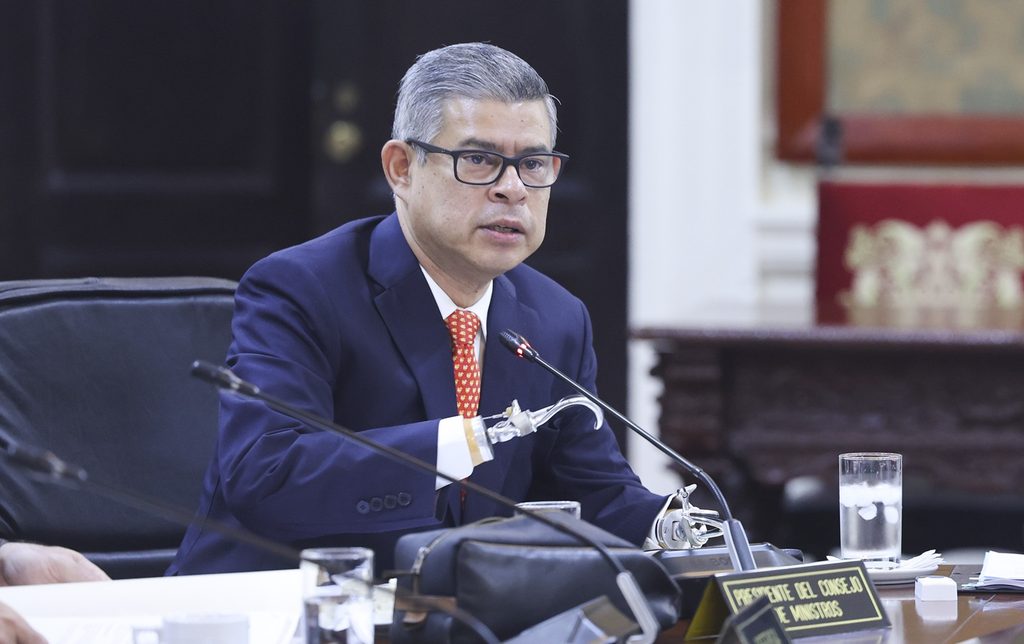
Peruvian News Agency PRENSAPERU.PE https://www.prensaperu.pe Twitter: @prensaperupe This Thursday, August 20, 2026, is recorded as a historic date in the democratic life of Peru. The President of the Council of Ministers, Luis Galarreta Velarde, accompanied by the full Cabinet, appears before the Chamber of Deputies to present the General Government Policy. This is the first time in 34 years that the Executive Branch renders accounts under a bicameral system, restored following the dissolution of the Senate in 1992. This act is not mere protocol: it is the moment when the Government must clearly state how it will face the enormous challenges facing the country. And Peru awaits answers, for the problems demanding solution are many and deeply rooted.
I.- CITIZEN SECURITY: The State must recover control of the territory.
The first major issue the Premier must address is the most urgent: citizen insecurity, contract killing, and organized crime. Peru is currently experiencing a crisis of violence that has transformed daily life in cities, towns, and highways. Gangs dedicated to extortion payments, shakedowns, targeted assassinations, and hired killings operate with growing boldness, sowing terror among merchants, transport workers, farmers, and entire families. Reports of complaints have reached alarming figures, and the sense of defenselessness is widespread. The Government has stated that restoring order in the streets is its priority. Galarreta is expected to detail specific measures: strengthening the National Police, constitutional support from the Armed Forces, criminal intelligence, prison reform, and a comprehensive plan against extortion. The country does not need speeches: it needs the State to recover control and citizens to be able to leave home without fear.
II.- EL NIÑO PHENOMENON: The emergency already upon us.
The second major front is the El Niño Phenomenon, already making itself felt with force. Intense rains, floods, devastating cold snaps in the high Andean regions, and marine heatwaves are not forecasts: they are reality. Agricultural communities, livestock farmers, and entire populations are already suffering crop losses, damaged homes, collapsed roads, and risks to health and life. The Government has announced resources, but the population demands to know: How will these funds be distributed? What plans exist for the most vulnerable areas? What will be done to protect farmers and livestock producers? Where is genuine prevention? The presentation must answer with data, timelines, and clear responsibilities. There is no time for delay.
III.- ECONOMY AND COST OF LIVING: Pressure on every Peruvian family.
The third pillar is the economic situation and the cost of living. International fuel price increases, driven by geopolitical conflicts, have had a direct impact in Peru: prices have risen sharply, dragging up the cost of food, transportation, and essential services. This has caused social unrest and protests in several regions. The Government has announced targeted subsidies, but the people need to know: Will it be sufficient? Will it reach all affected sectors? What measures will be taken to contain rising prices of essential foodstuffs? How will the purchasing power of families be protected? Economic stability is not a technical matter: it is a matter of daily survival.
IV.- FIGHT AGAINST CORRUPTION: An ailment bleeding us dry at every level.
This is a central point that cannot be omitted. Corruption continues to prevail across the country, and millions upon millions of soles are lost each year to corrupt acts throughout the territory, at every level of government: from the National Government, through Regional Governments, down to Municipal Governments. It is a cross-cutting ill that erodes institutional strength, diverts resources meant for public works and services, and destroys citizens’ trust in their authorities. These are not isolated incidents: it is an entrenched system sustained by impunity. The Premier must announce concrete measures: strengthening oversight bodies, full transparency in government procurement, mandatory accountability, and zero tolerance toward those who steal the people’s resources. Without confronting corruption, no government plan can succeed.
V.- INFRASTRUCTURE AND BUREAUCRATIC SIMPLIFICATION: The country stagnating under its own rules.
Peru’s development is also held back by an obstacle the State itself has built: paralyzing bureaucracy and slowness in executing public works. Major infrastructure projects — highways, ports, dams, hospitals, water systems — remain stalled for years, not for lack of funding, but because the State blocks itself: one ministry is questioned by another entity of the same State, which in turn is reviewed by yet another, and everything becomes a vicious cycle of observations, delays, and endless paperwork. This discourages investment, slows job creation, and keeps the country standing still. The Government must propose deep reform: administrative simplification, firm deadlines, single-window services, and clear accountability so that projects are completed rather than eternally delayed on paper. Peru needs infrastructure to grow, and bureaucracy can no longer remain its greatest obstacle.
VI.- FOREIGN POLICY: Sovereignty, independence, and Peru as a geopolitical hub.
Finally, the country awaits the Government’s foreign policy with great attention. Peru has been consolidating its position as a strategic meeting point between the Americas and Asia, with billions of dollars in investment coming mainly from China, alongside long-standing ties with the United States, Europe, and the rest of the world. However, international tensions are emerging that seek to condition the country’s stance. In the face of this, Peru must maintain a free, independent, and sovereign position: working with all countries willing to invest and cooperate while respecting our laws and our dignity, without automatic alignments or subordination. The Premier must make it clear that Peru belongs to no one: it looks toward Asia, Oceania, Africa, Europe, and Latin America alike, for its vocation is to be a bridge, a geopolitical axis that always places its national interests first, above external pressures of any origin.
VII.- ENERGY AND HYDROCARBON POLICY: Sovereignty, equity, and justice for all Peruvians.
The seventh major pillar the Premier must address before Congress is energy and hydrocarbon policy, an issue that touches upon the nation’s sovereignty, economy, and territorial justice. Peru cannot continue to depend indefinitely on foreign oil when it possesses its own fields, lots, and wells that, properly developed, could supply the domestic market, reduce the outflow of foreign currency, and generate employment and wealth in the regions where they are located. It is not logical for a country rich in energy resources to have to purchase abroad what nature has already given it.
But there is an even more urgent debt: the inequality in fuel quality. It is neither fair nor acceptable that clean diesel with low sulfur content is sold on the coast and in Lima, while the jungle —especially in Ucayali and Loreto— receives fuel with extremely high polluting content, which damages engines, pollutes the air, and seriously harms people’s health. This double standard, sustained for years through exceptional decrees, creates an unacceptable divide between two Perus. The same quality standard required in the capital must apply throughout the entire national territory: there cannot be first‑class and second‑class citizens when it comes to essential goods.
Furthermore, although Peru is a major natural gas producer, it is contradictory and unjust that in the very areas where this resource is extracted, it is sold at excessive prices, becoming unaffordable for many families. The country’s energy matrix must be rethought so that gas, oil, and renewable energy sources combine to benefit the entire population, without privileges or discrimination. The Premier must clearly explain how the Government will achieve energy self‑sufficiency, put an end to the double fuel quality standard, and ensure fair prices for all Peruvians, without distinction of region.
VIII.- RESPECT AND STRENGTHENING OF STATE INSTITUTIONS: The pillar that sustains democracy.
The eighth major pillar the Premier must present is the full respect and strengthening of all State institutions. No government can consolidate or endure if it is not founded upon solid, independent institutions respected by all public powers. The Executive, the Legislative, the Judiciary, the Public Prosecutor’s Office, the Office of the Comptroller General, and all constitutionally autonomous bodies form the framework that upholds the Republic. This does not mean subordinating one to another, but rather respecting their autonomy and strengthening their role, within a framework of mutual oversight, control, and strict observance of the Constitution. Only when each institution fulfills its role without interference or external pressure can a healthy, stable, and lasting democracy be consolidated. The Government must commit not to weaken, influence, or condition the entities whose mission is to oversee, control, and audit power. The strength of the State does not lie in a single person: it lies in the solidity of its institutions.
IX.- PRESS FREEDOM AND THE RIGHT TO BE INFORMED: No midnight laws, no chains on the truth.
The ninth and final pillar is press freedom and freedom of expression, sacred rights that cannot be restricted or violated under any circumstance. The Premier must make clear before Congress that no laws passed “between roosters and midnight” —that is, measures enacted hastily, without debate, at odd hours and in obscurity— will be allowed, promoted, or approved if their purpose is to limit, condition, or cut off the freedom to report and to be informed. There is no better press freedom law than one that does not restrict it: the best rule on freedom of expression is the one that does not exist, because liberty does not need permission from power to be exercised —it needs respect and guarantee. Any attempt to regulate information, control the media, or persecute those who investigate and denounce is a direct attack on democracy itself. The people have the right to know, journalists have the right to investigate, and no government has the right to silence the truth.
THE INSTITUTIONAL CONTEXT: A NEW DEMOCRATIC ERA
All of this unfolds within a historic scenario: the return to bicameralism. The Peruvian Congress has restored its Senate and its Chamber of Deputies, a structure that existed from the beginnings of the Republic until 1992, when it was abolished by Alberto Fujimori’s self-coup. Thirty-four years later, his daughter, President Keiko Fujimori, leads the administration that has restored this parliamentary system. The Chamber of Deputies is the place where the Executive Branch accounts for its actions. There, deputies have the power to question, challenge, and demand answers. It marks the beginning of public, transparent, and democratic debate regarding the nation’s course.
CONCEPTUAL DATA
Bicameralism: Parliamentary system composed of two independent chambers: the Chamber of Deputies, representing the people directly and exercising primary political oversight, and the Senate, representing the regions and fulfilling review and balancing functions. Restored in 2026 after 34 years of unicameral governance.
General Government Policy: The set of guidelines, objectives, priorities, and strategies that the Executive Branch commits itself to implement during its term. It is not a ceremonial speech: it constitutes the State’s action program and a formal commitment before national representation.
El Niño Phenomenon: Cyclical climatic phenomenon characterized by anomalous warming of Pacific Ocean waters, triggering extreme rainfall, droughts, frost, cold snaps, and natural disasters across broad areas of the country, affecting agriculture, livestock, infrastructure, and human life.
Public Corruption: The improper use of public office and State resources for private or special-interest benefit. It occurs at all levels of government and diverts funds intended for the common good, eroding public trust and slowing national development.
State Bureaucracy: The body of rules, procedures, and agencies governing State activity. When excessive, fragmented, and slow, it becomes an obstacle to investment, public works execution, and timely service to citizens.
Sovereign Foreign Policy: The State’s capacity to define and conduct its international relations without subordination to foreign interests, maintaining fairness, mutual respect, and openness to cooperation with all nations of the world, without exclusions or mandatory alignments.
CONCLUSIONS
1.- Six great challenges, one historic moment: Security, response to the El Niño Phenomenon, economic stability, anti-corruption efforts, infrastructure deregulation, and sovereign foreign policy constitute the six pillars upon which the Government must explain its course. No priority is minor: all are urgent and all are interconnected.
2.- Bicameralism strengthens democratic oversight: For the first time in decades, the Executive Branch presents its plan before a renewed Parliament with real oversight capacity. The Chamber of Deputies assumes today its role as the space where citizens, through their representatives, demand clarity, consistency, and results.
3.- Corruption and bureaucracy are the country’s internal brakes: No measure will succeed without firmly confronting the corruption that diverts resources and reforming the State structure that paralyzes public works. The country faces not only external or climatic threats: its greatest obstacles lie within the State itself.
4.- Peru’s international stance must be one of independence and openness: Faced with a divided world and growing pressures, the country must maintain a foreign policy that prioritizes its national interests, welcomes legitimate investment from any source, and consolidates its position as a free, respected, and dignified actor in the international community.
Source: Peruvian News Agency PRENSAPERU.PE https://www.prensaperu.pe Twitter: @prensaperupe